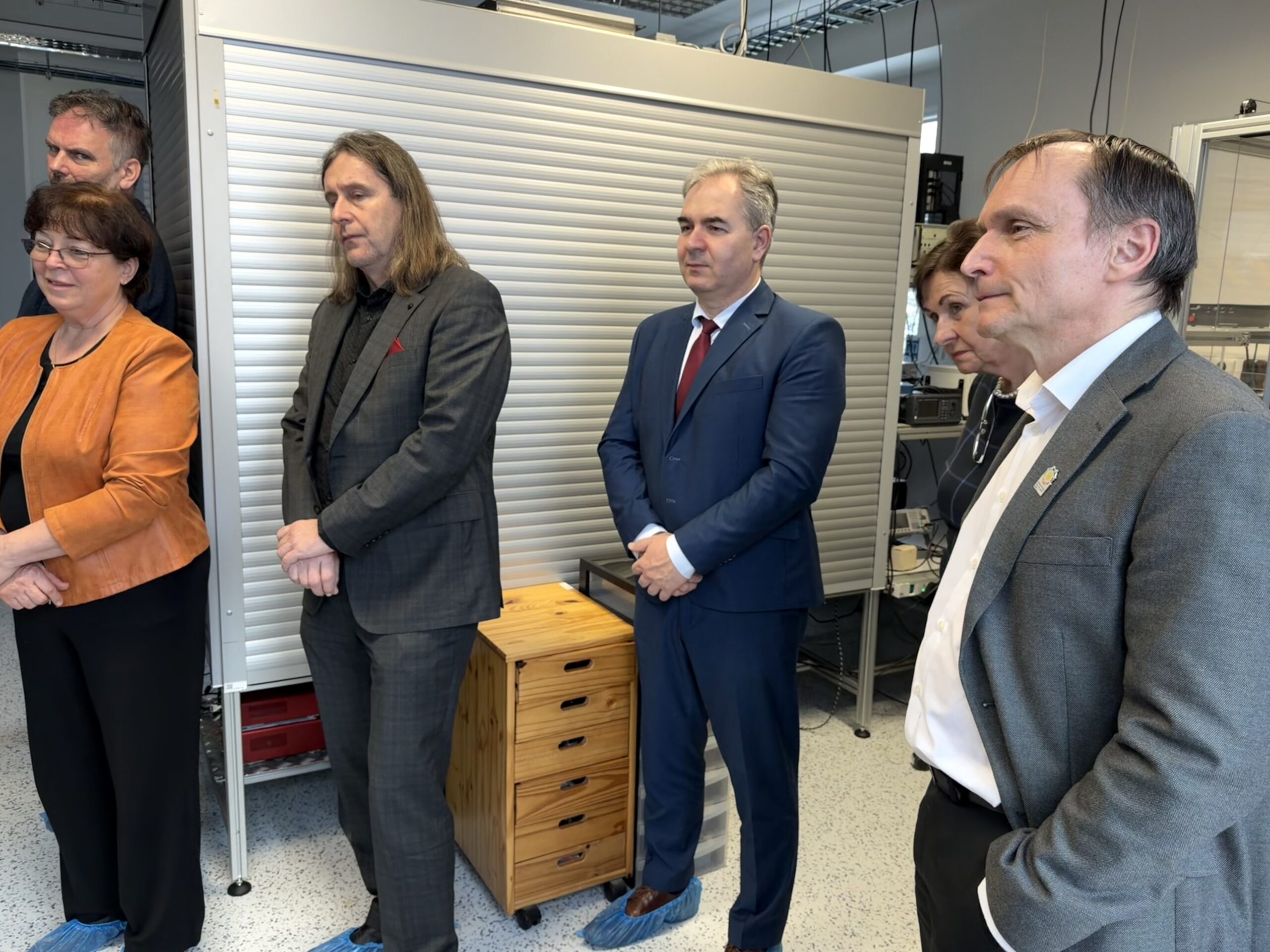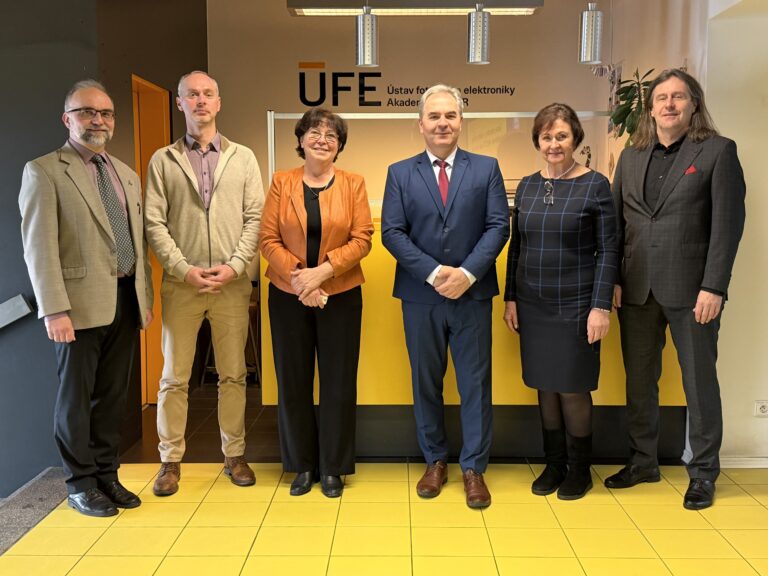
On Thursday, January 29, 2026, the Institute of Photonics and Electronics of the CAS was visited by the President of the Czech Academy of Sciences, Prof. Radomír Pánek, together with members of the CAS management. The ÚFE thus became the first CAS workplace that the President personally visited as part of his series of working visits this year.
At the beginning of the visit, Prof. Pánek met with the institute’s management, who introduced him to the workplace, its main scientific activities, and selected examples of excellent research supported by prestigious projects and the successful commercialization of research results. The discussion also touched on the evaluation of the Czech Academy of Sciences, support for doctoral education, cooperation with universities, and the modernization and reduction of energy consumption in buildings and laboratories.
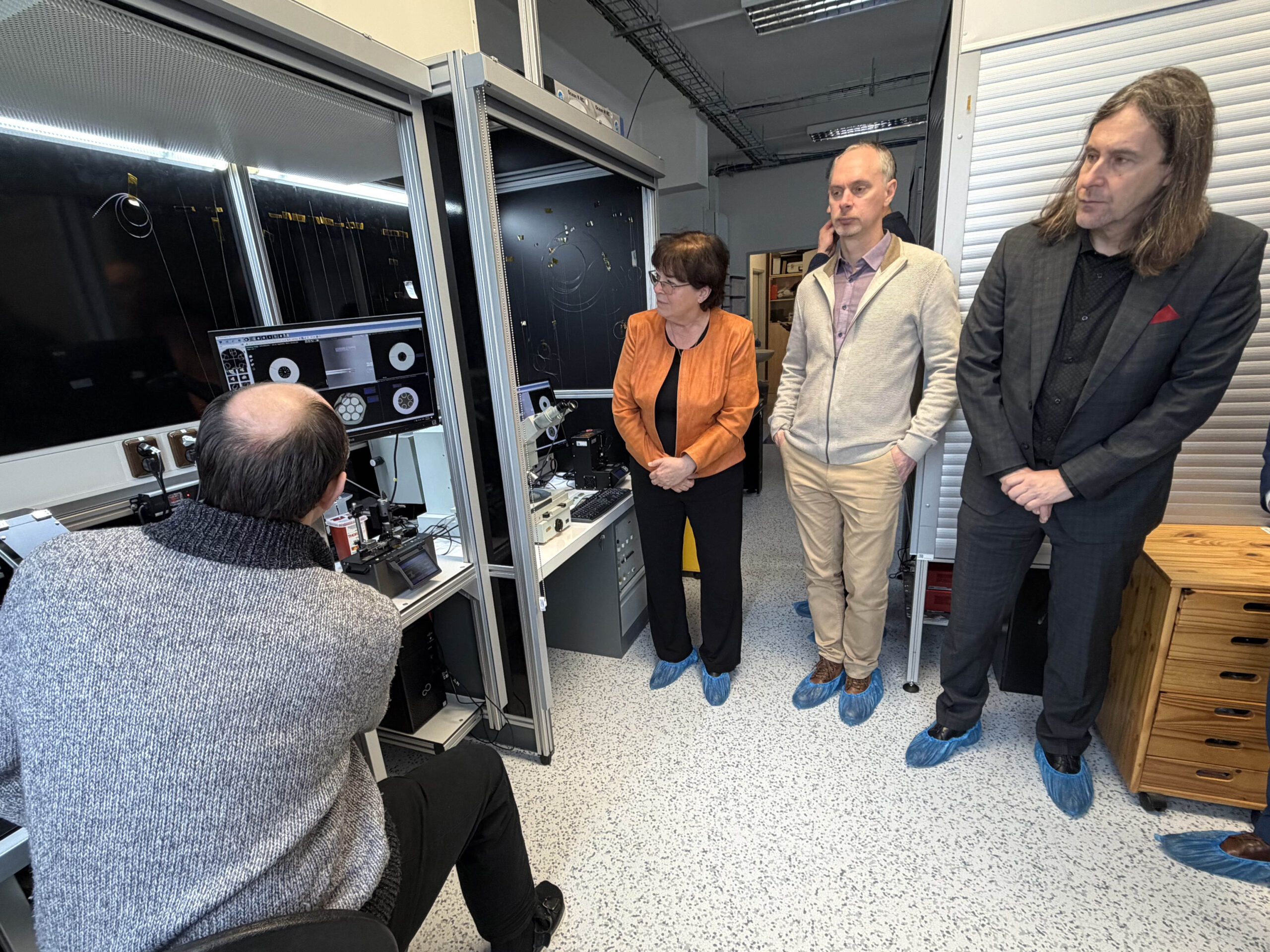
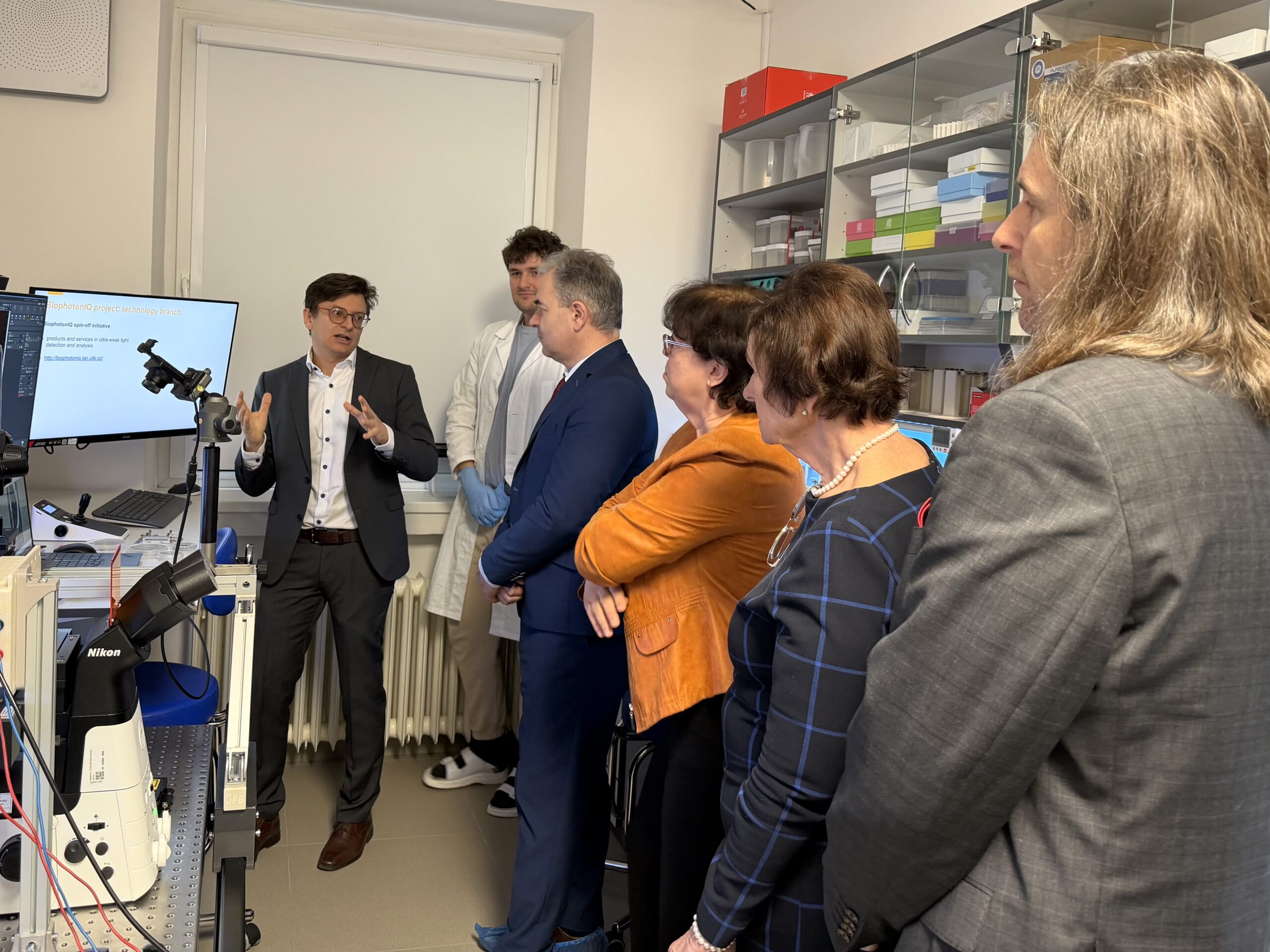
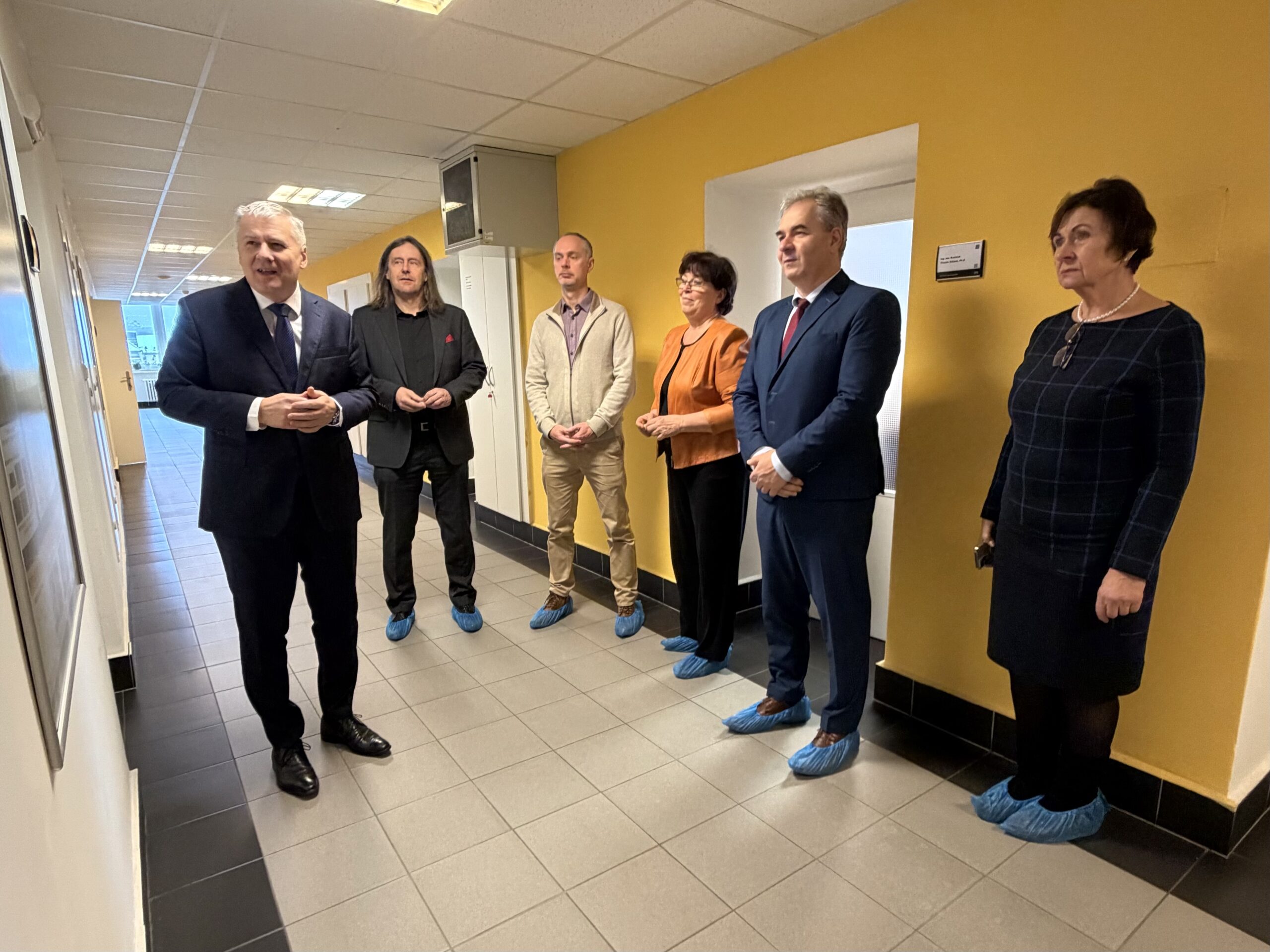
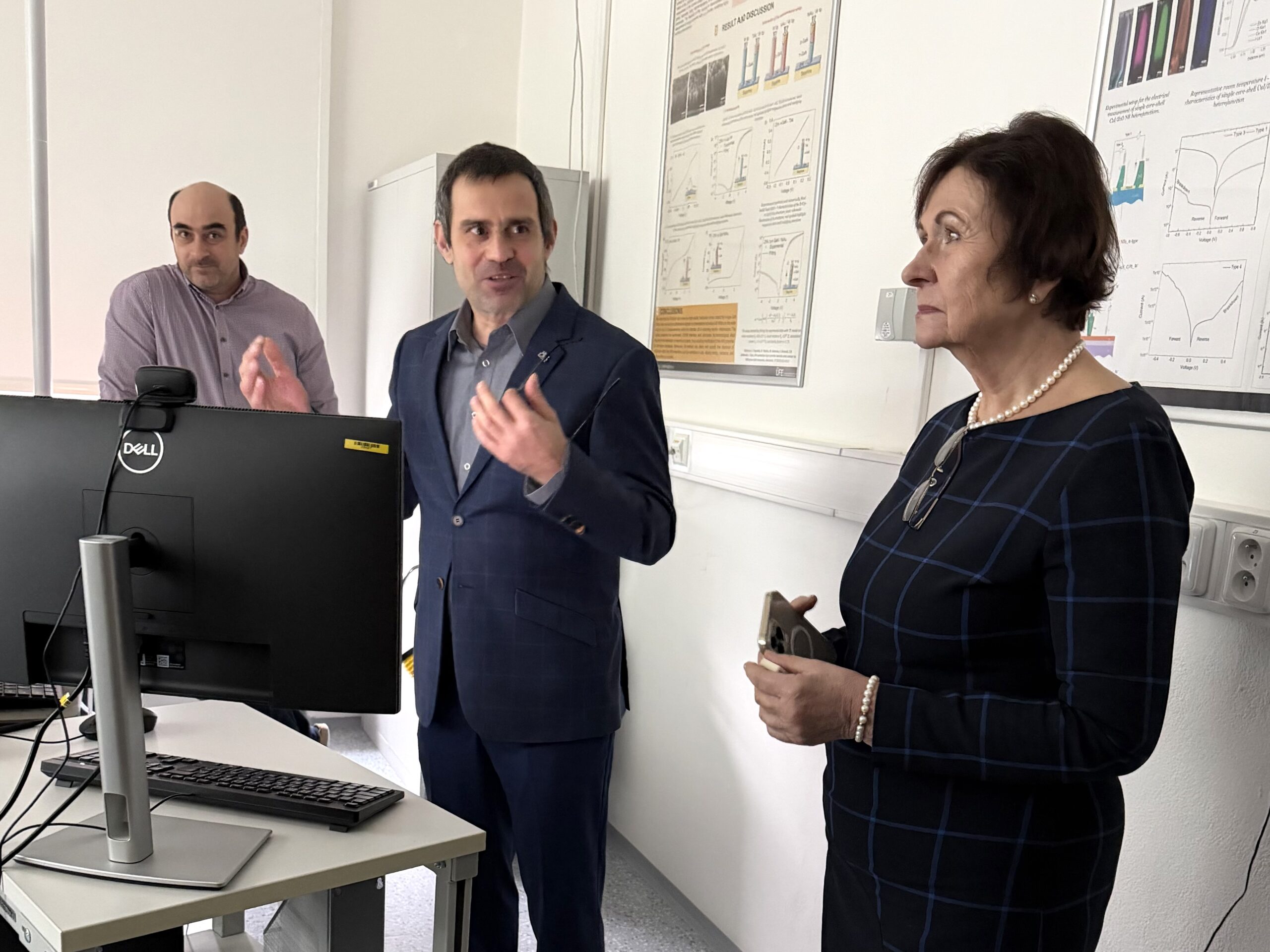
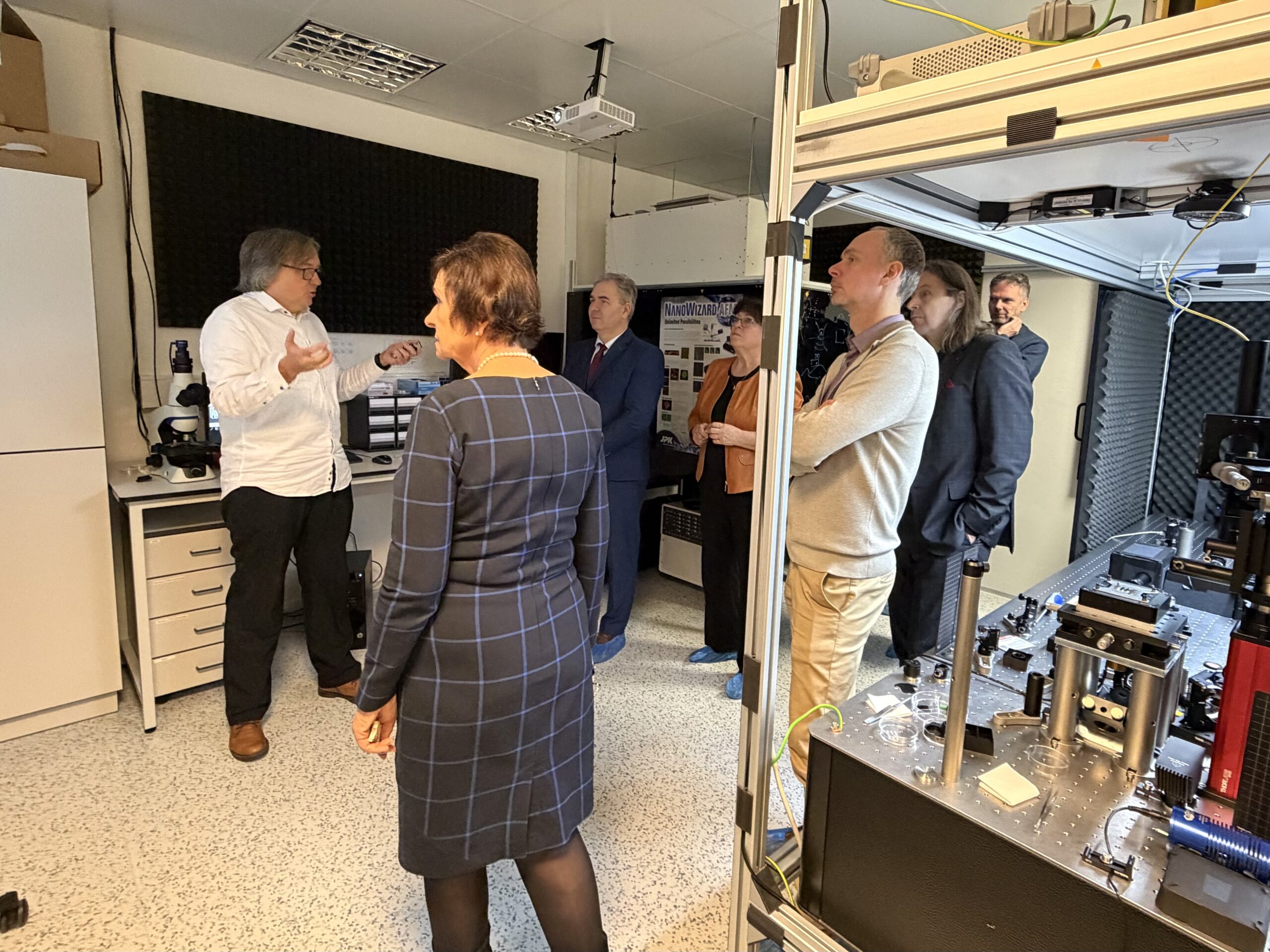
The program included a tour of selected ÚFE laboratories in the Kobylisy building, during which the President of the CAS was introduced to specific research topics, long-term projects, and their practical impacts.
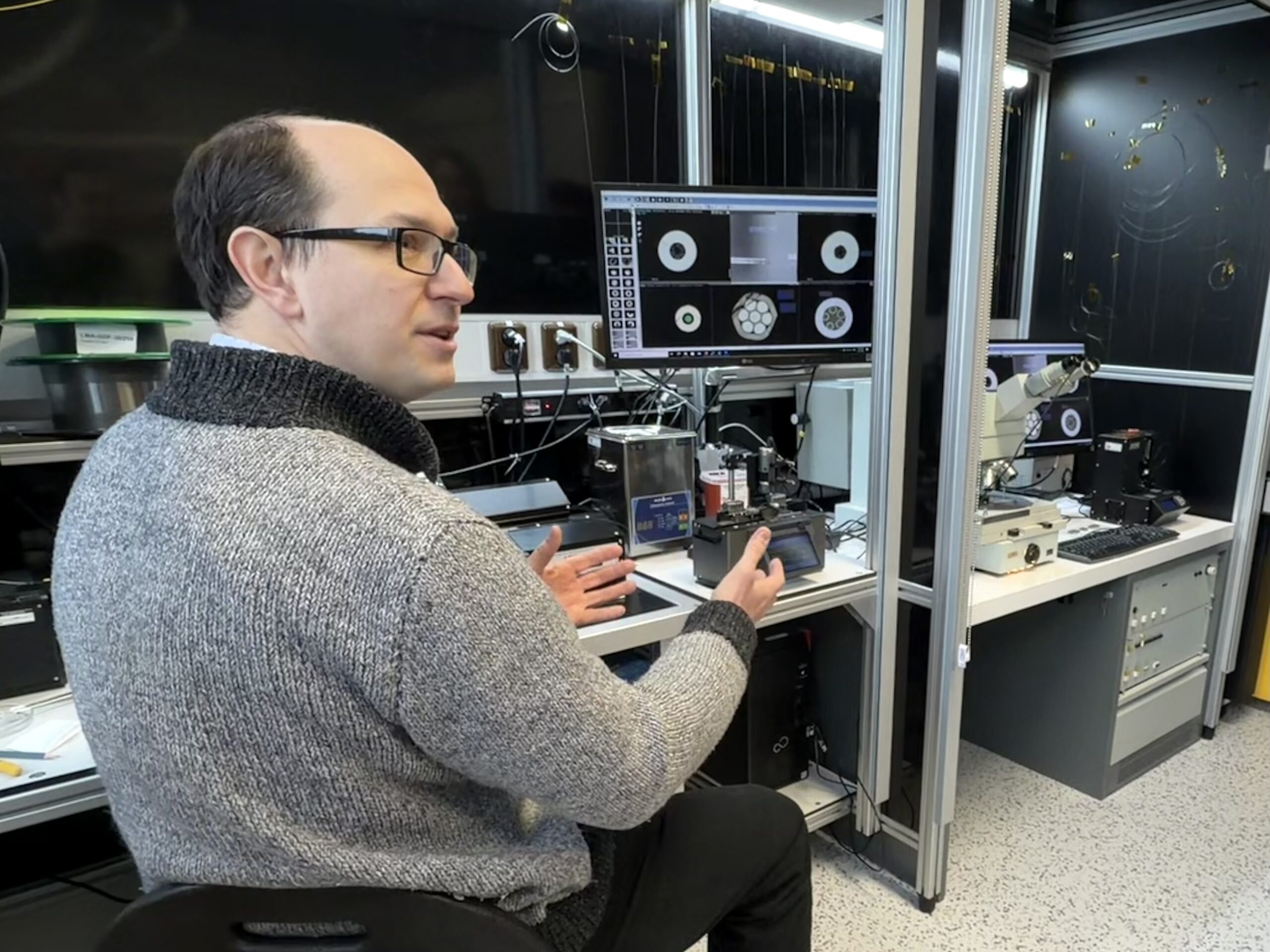
In the Fiber Lasers and Non-linear Optics Laboratory, Dr. Pavel Honzátko presented long-term research on fiber lasers, including the second phase of the European Defense Fund’s TALOS project. The discussion also touched on the possible applications of this research, whose importance in the current international context continues to grow. A practical demonstration of how optical fibers used in common data networks can be used to analyze acoustic phenomena in individual rooms was also very well received.
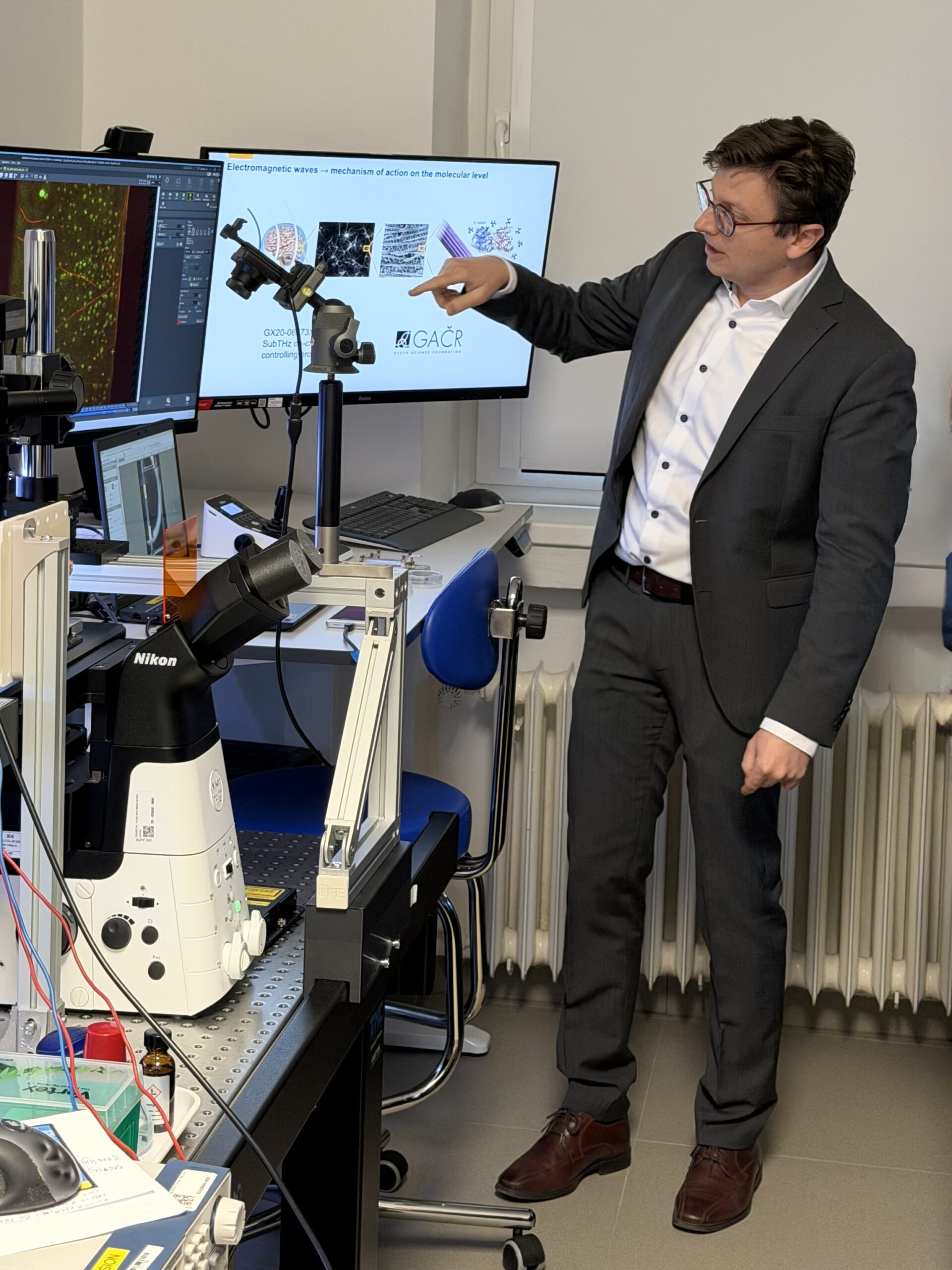
In the Bioelectrodynamics Laboratory, Michal Cifra‘s information about an expert discussion in the Chamber of Deputies, where findings on the effects of electromagnetic fields and 5G networks on the human organism were presented in the broader context of the social relevance of research carried out at the Institute of Physics, was particularly interesting.
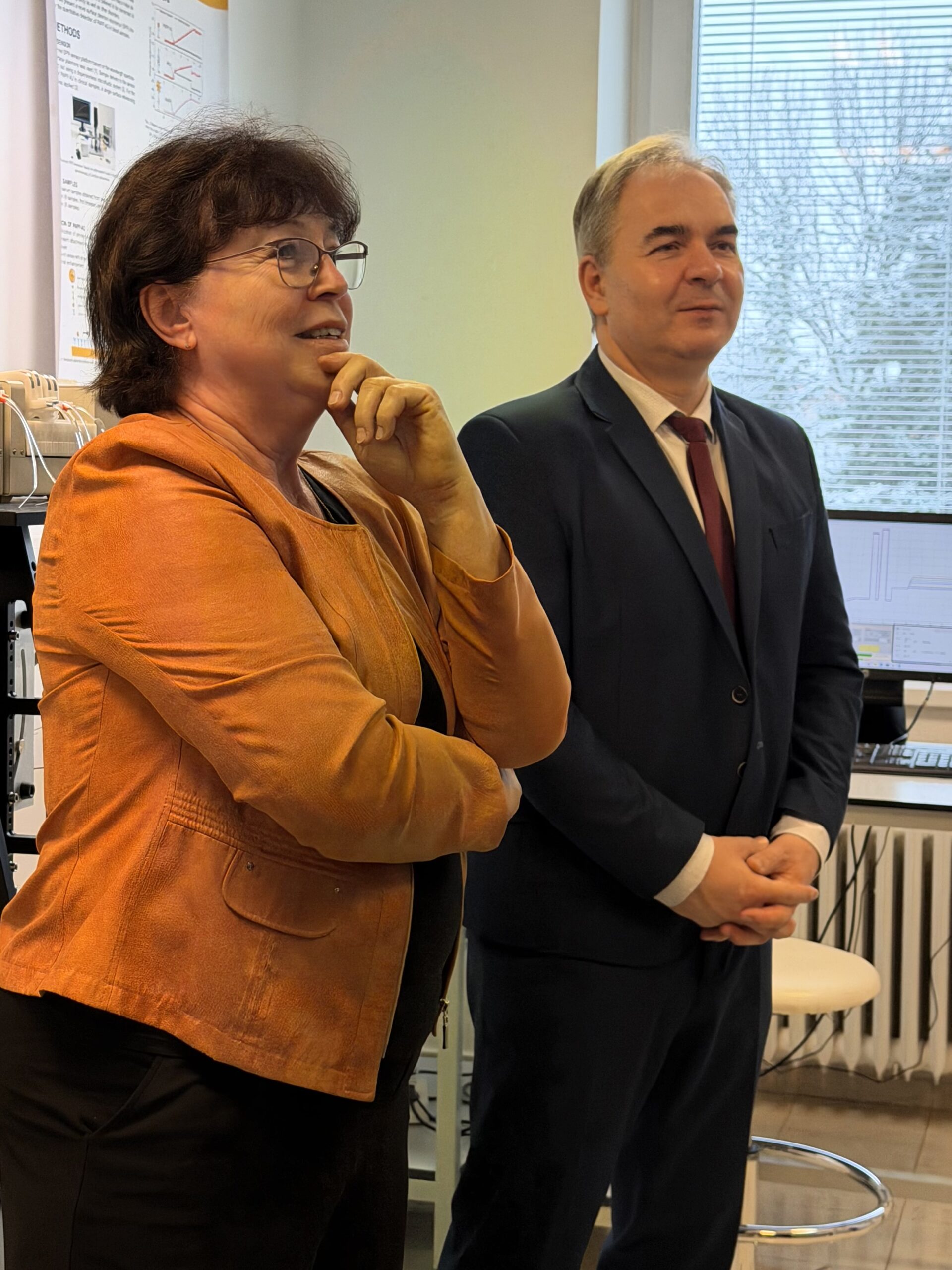
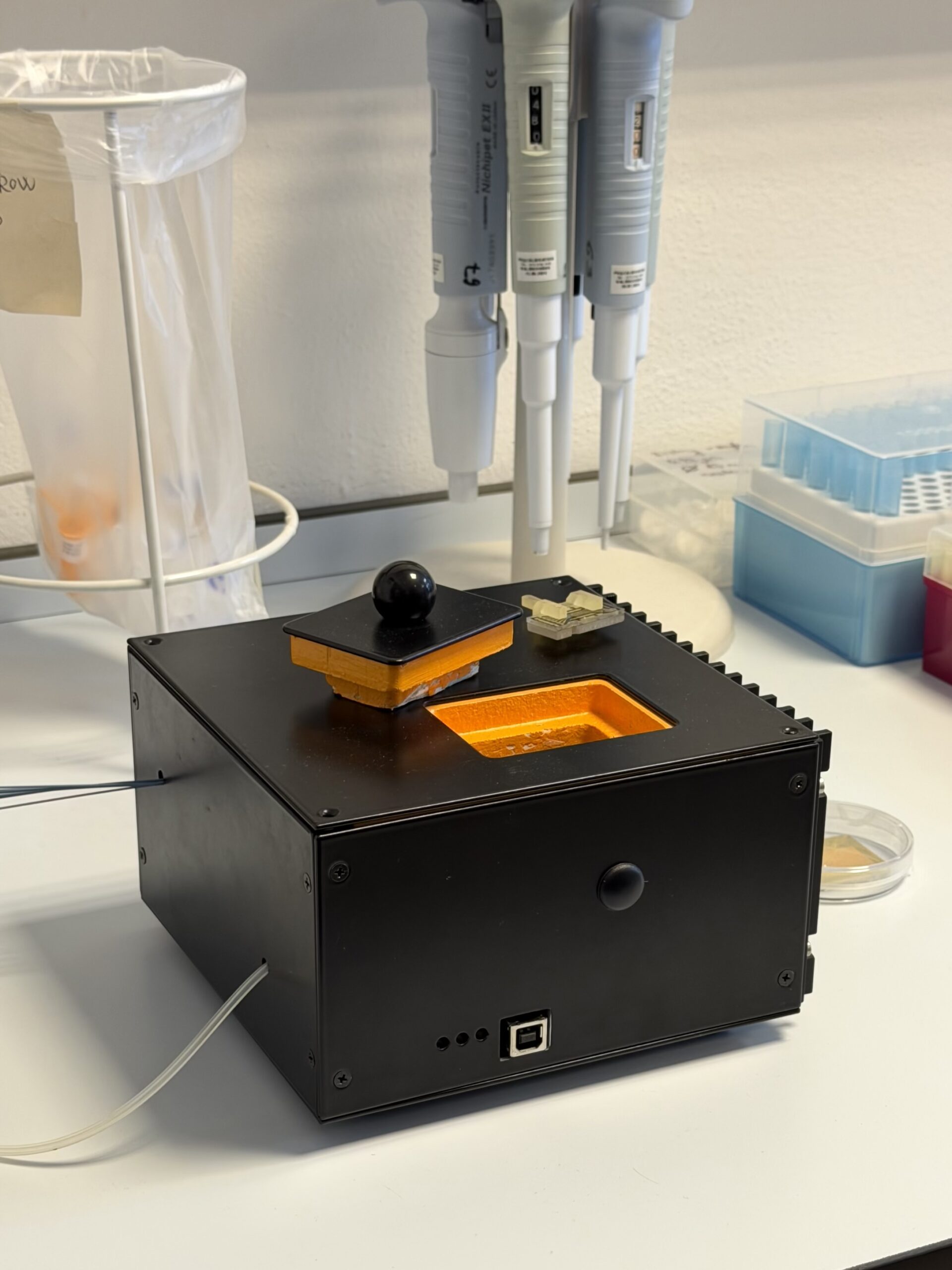
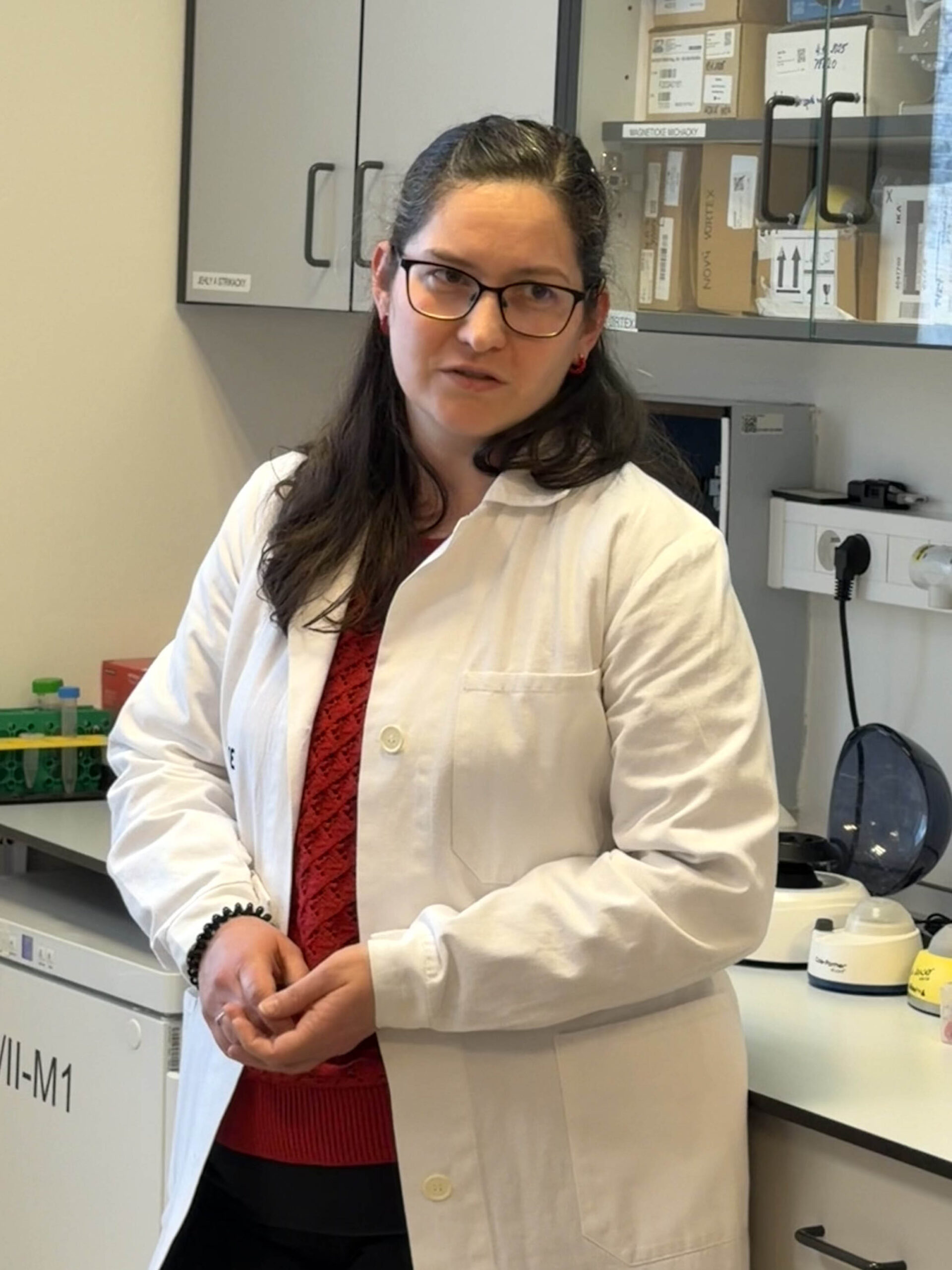
The Optical Biosensors Laboratory was presented by Prof. Jiří Homola and Markéta Bocková, who introduced the most scientifically successful team at the Institute of Physics. The presented biosensor research has significant applications in medicine, for example in the detection of neurodegenerative diseases such as Alzheimer’s disease, and is being carried out as part of a number of national and international projects.
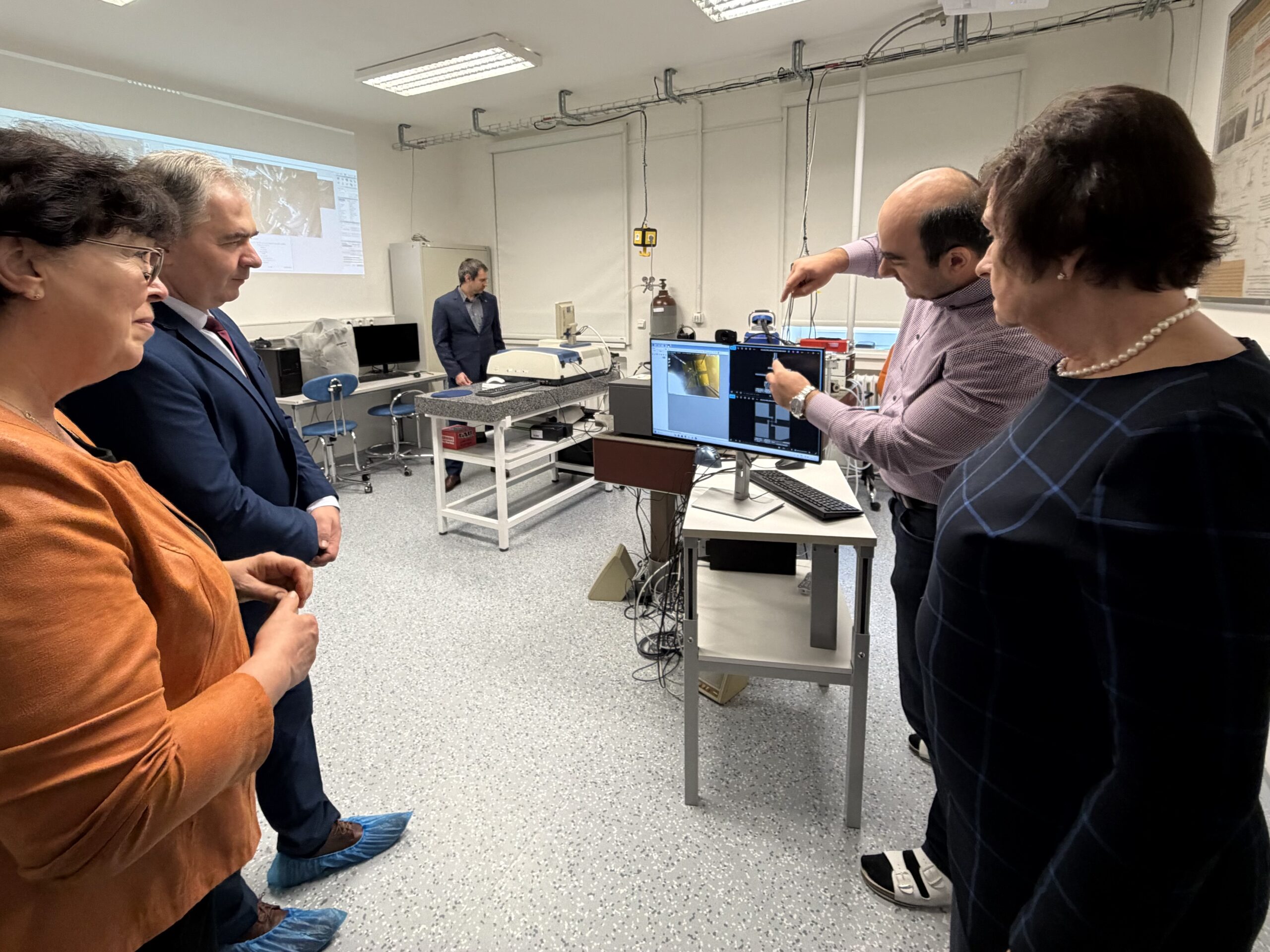
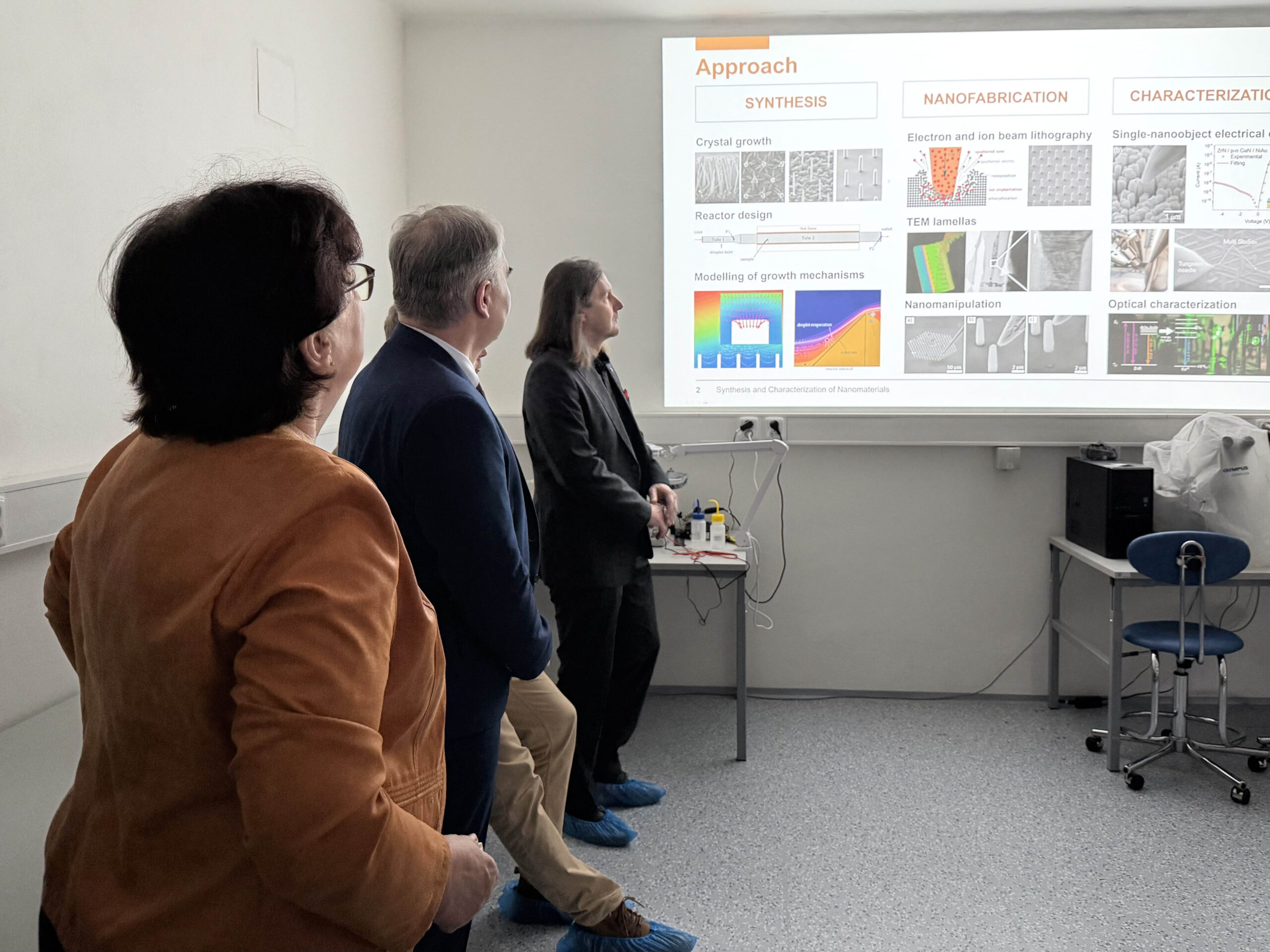
In the nanolaboratory, Stanislav Tiagulskyi from the Research Department of Synthesis and Characterization of Nanomaterials of Jan Grym‘s team presented methods for characterizing zinc oxide rods using electron microscopy. The possibilities for their use were also mentioned, for example in hydrogen sensors developed in collaboration with Tesla Blatná.
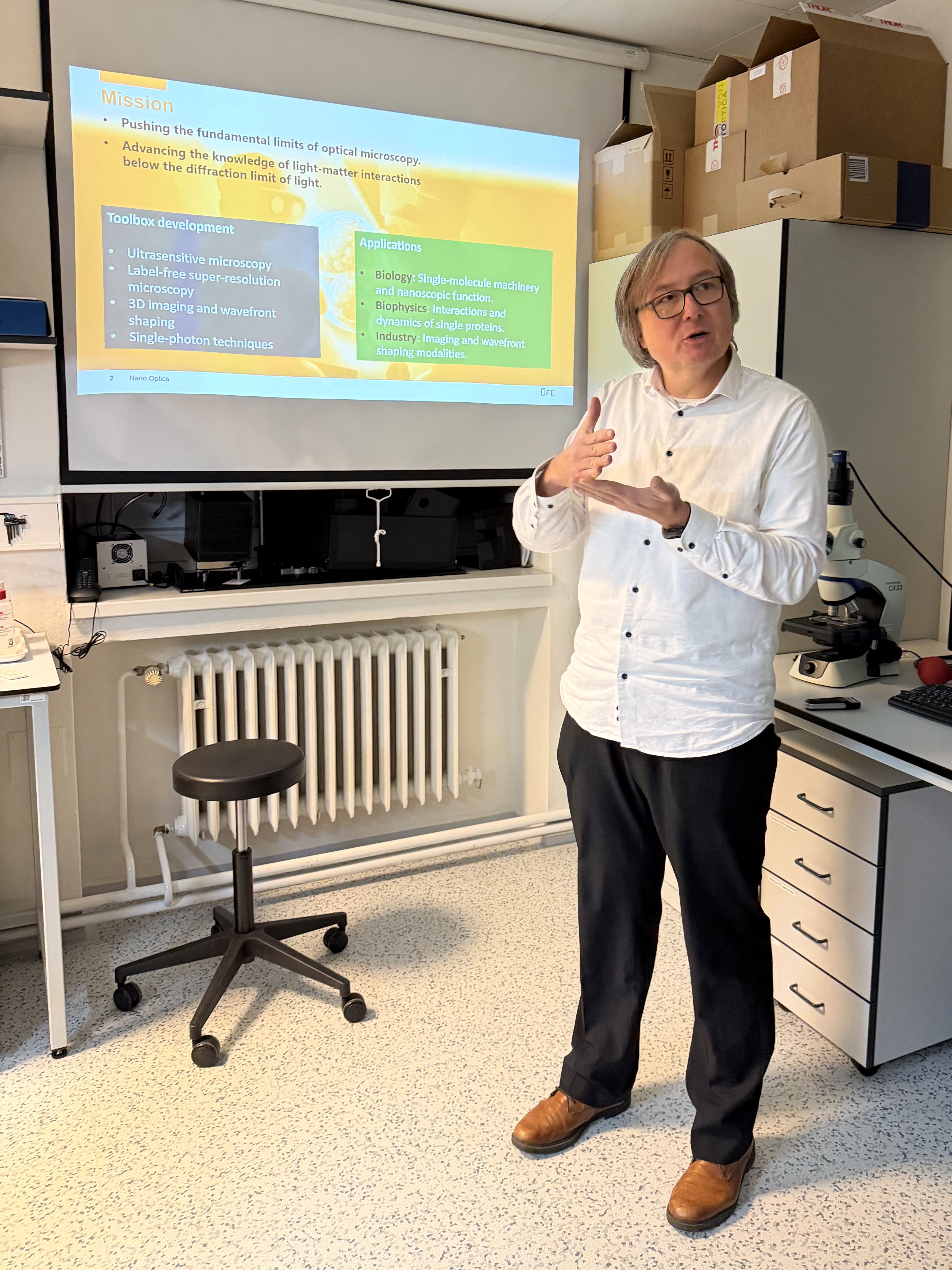
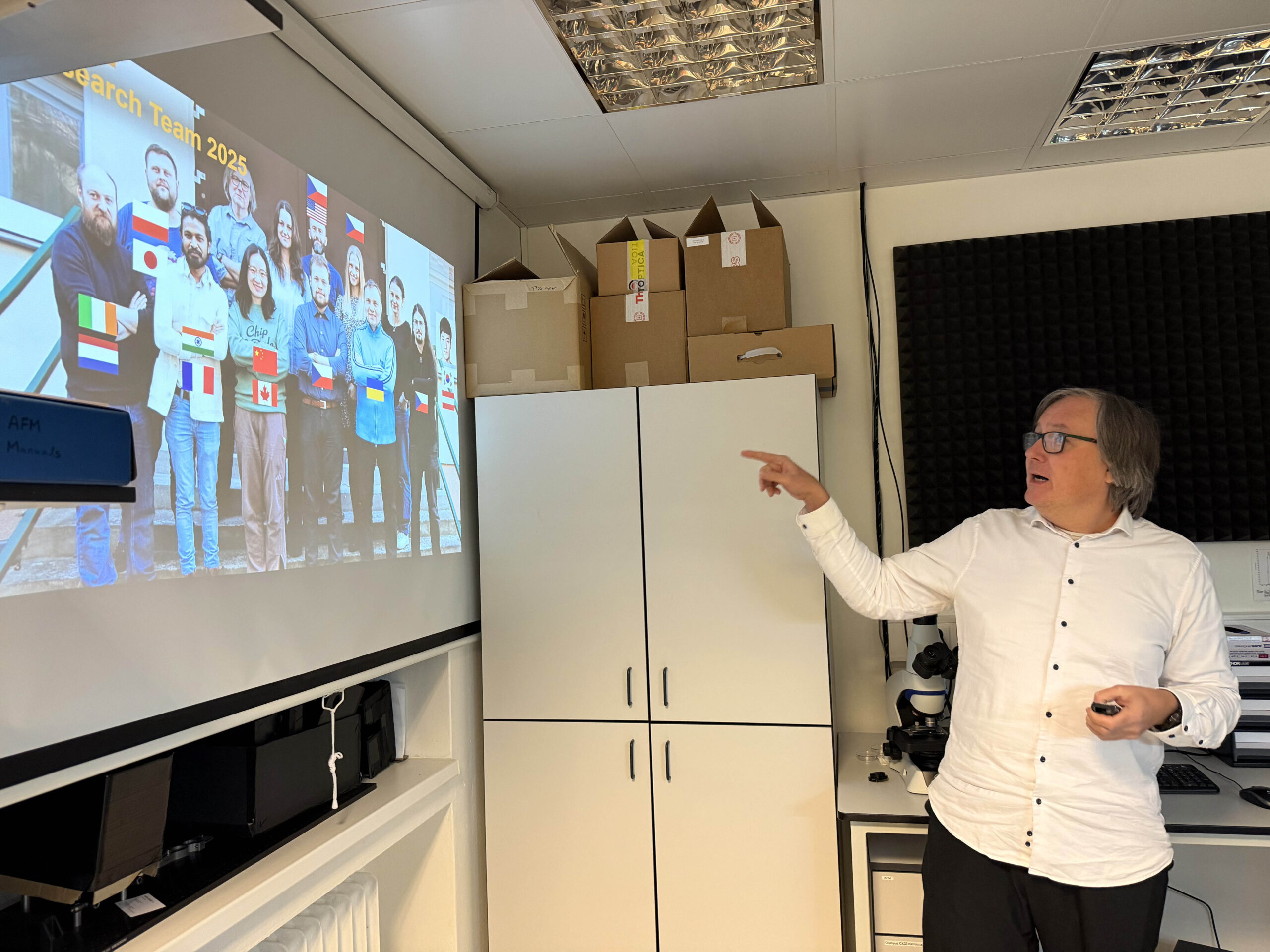
The Nano Optics team, led by Marek Piliarik, presented a dynamic group with a high proportion of foreign scientists, which can also boast a successfully licensed invention of a spatial light modulator, demonstrating the potential of the Institute of Physics in transferring research results into practice.
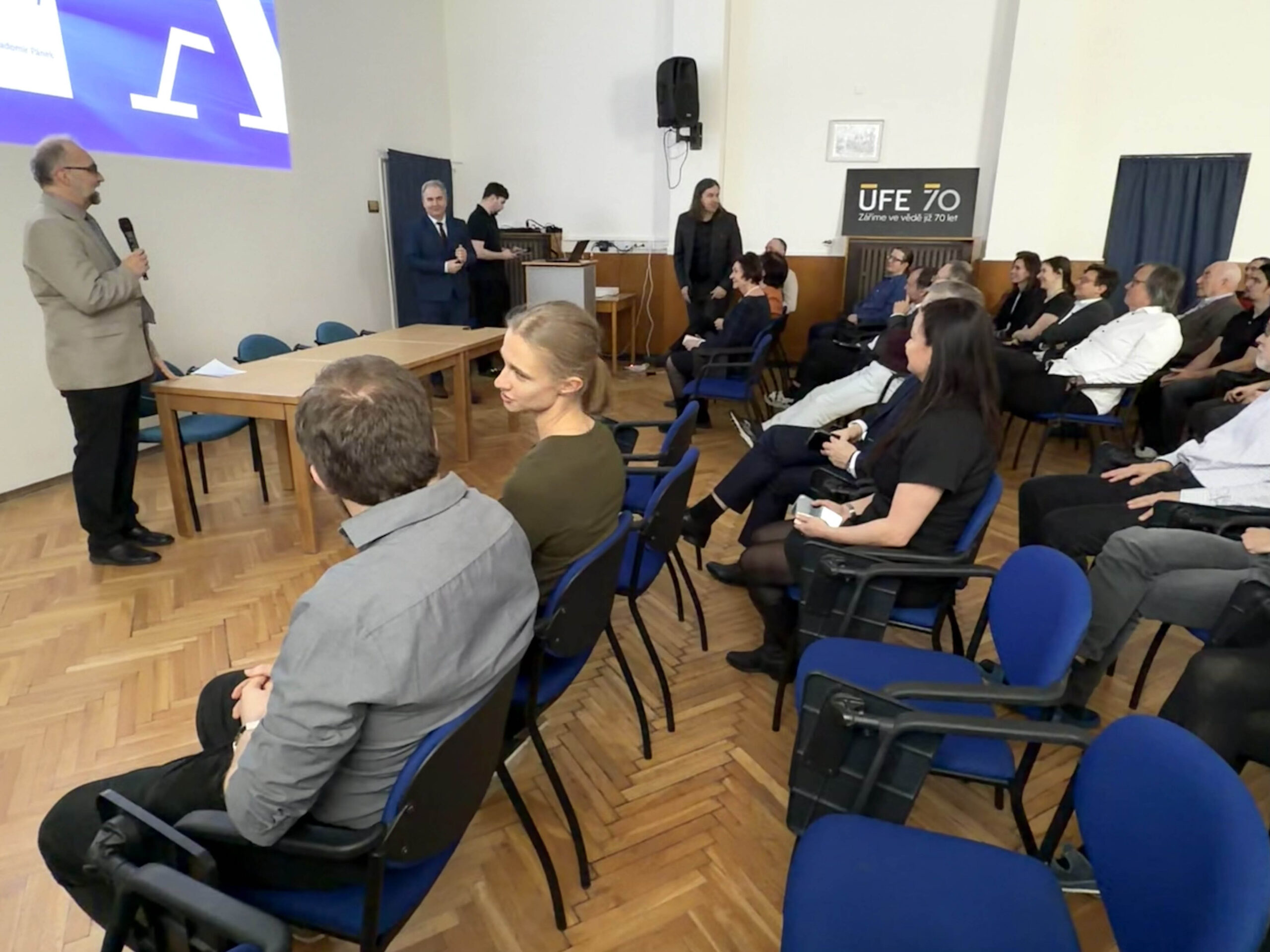
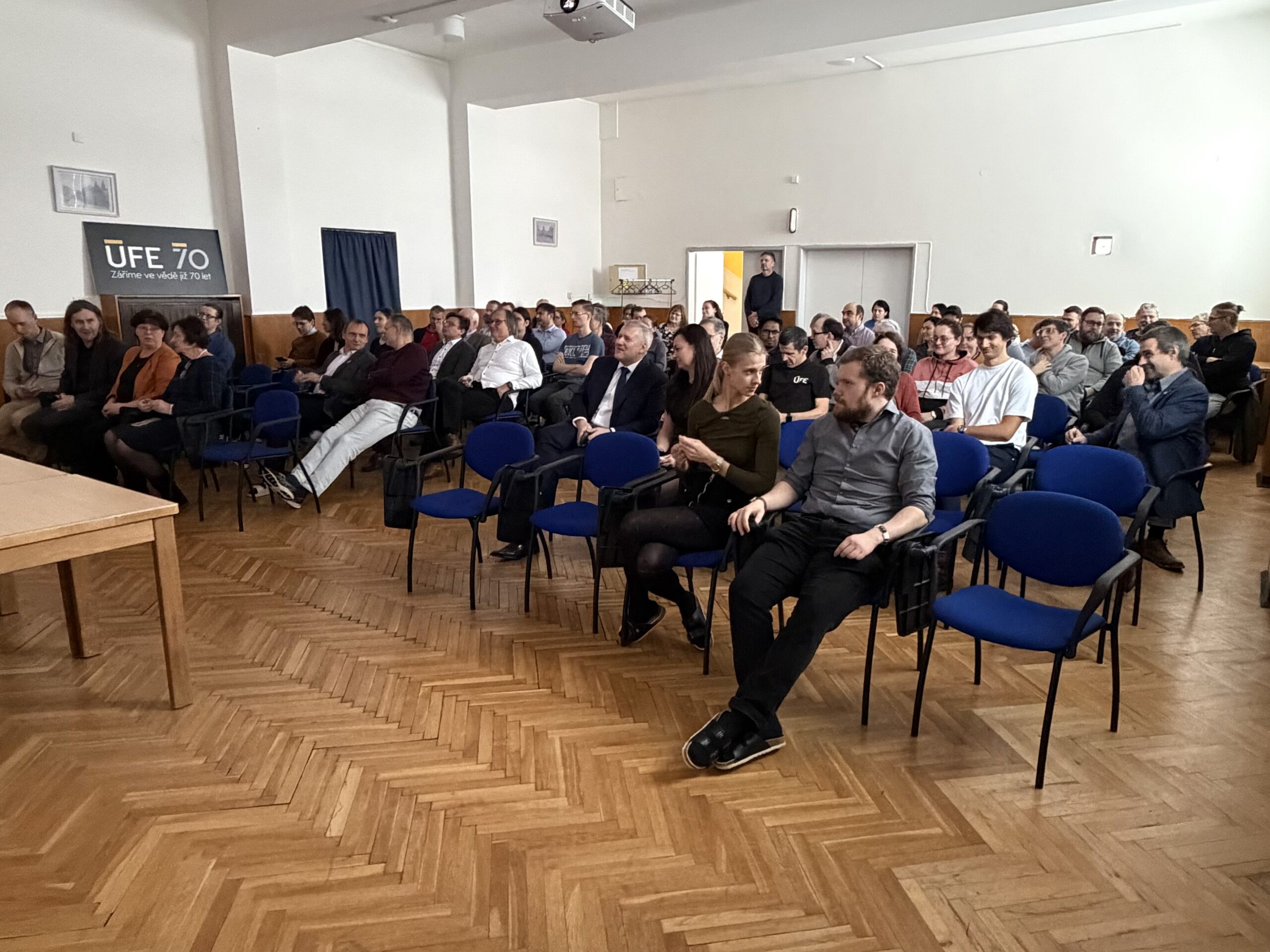
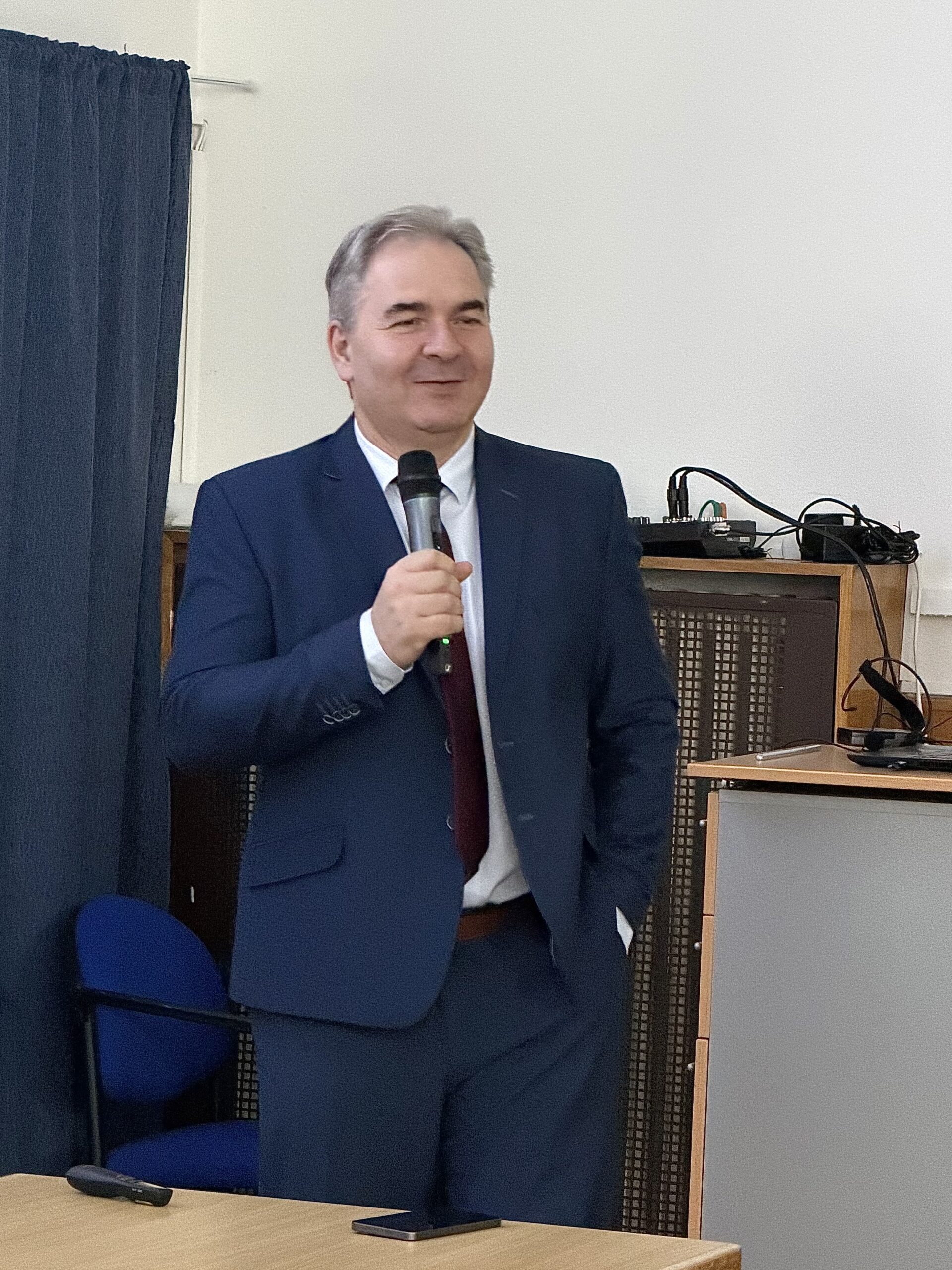
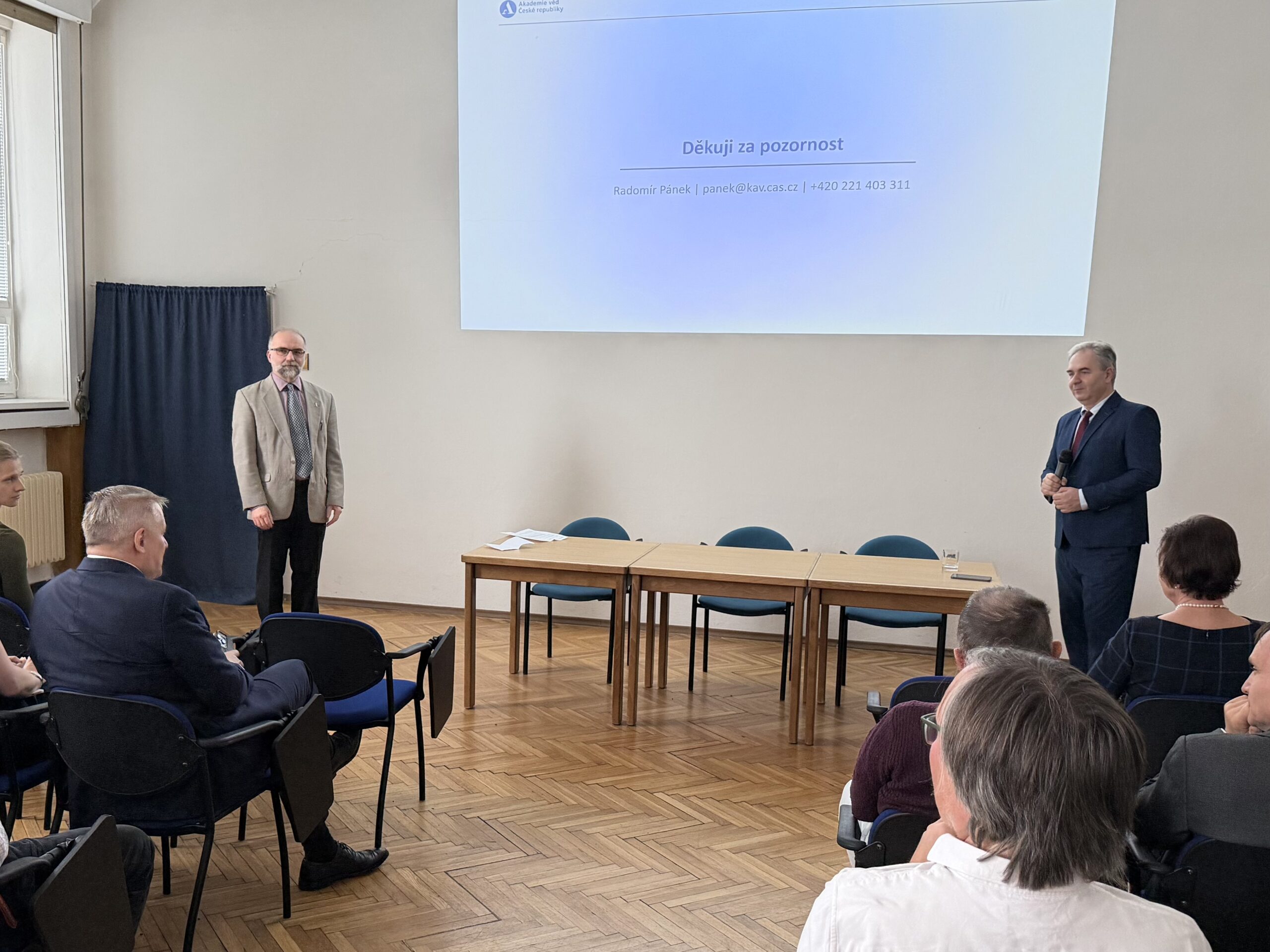
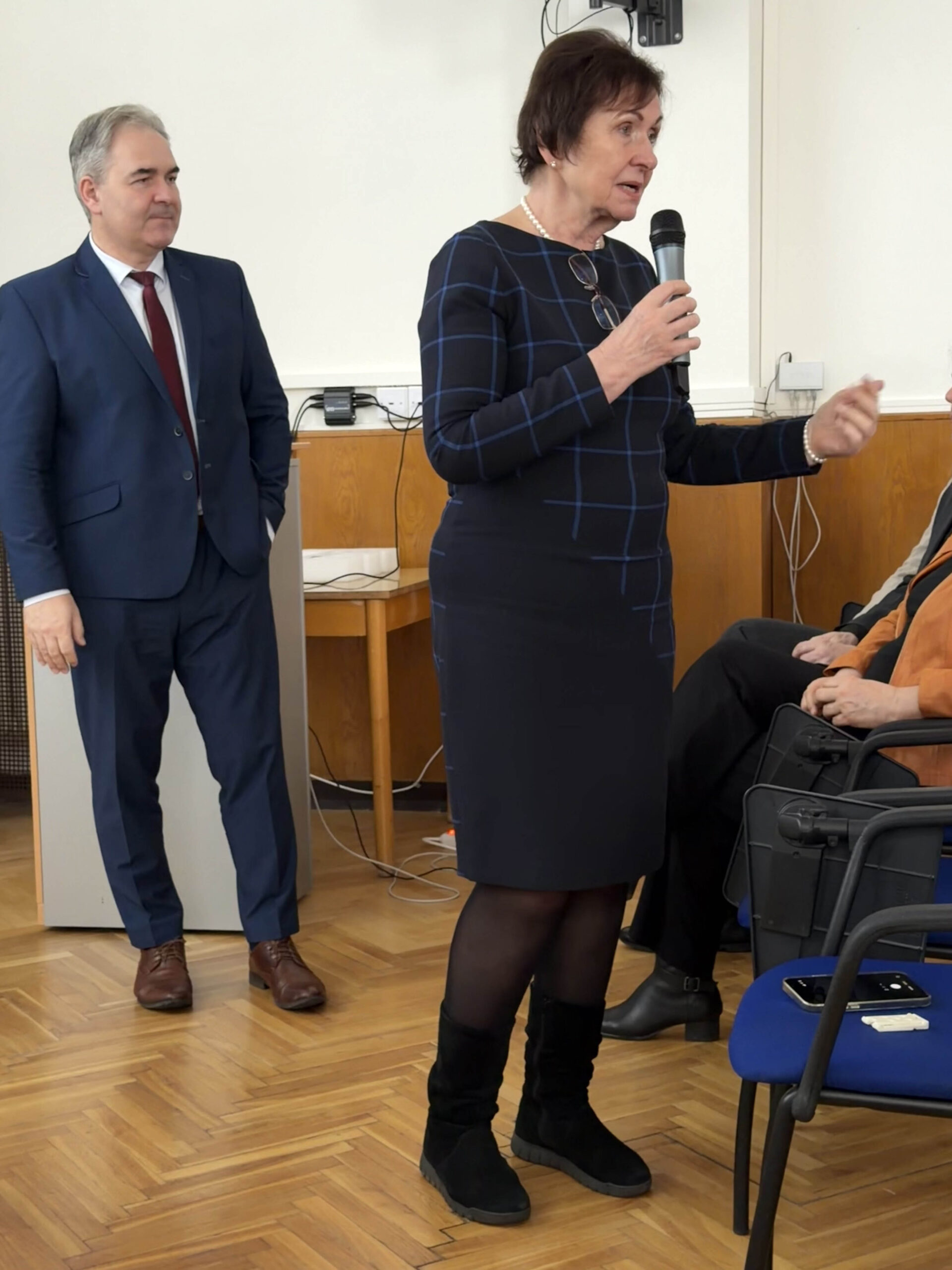
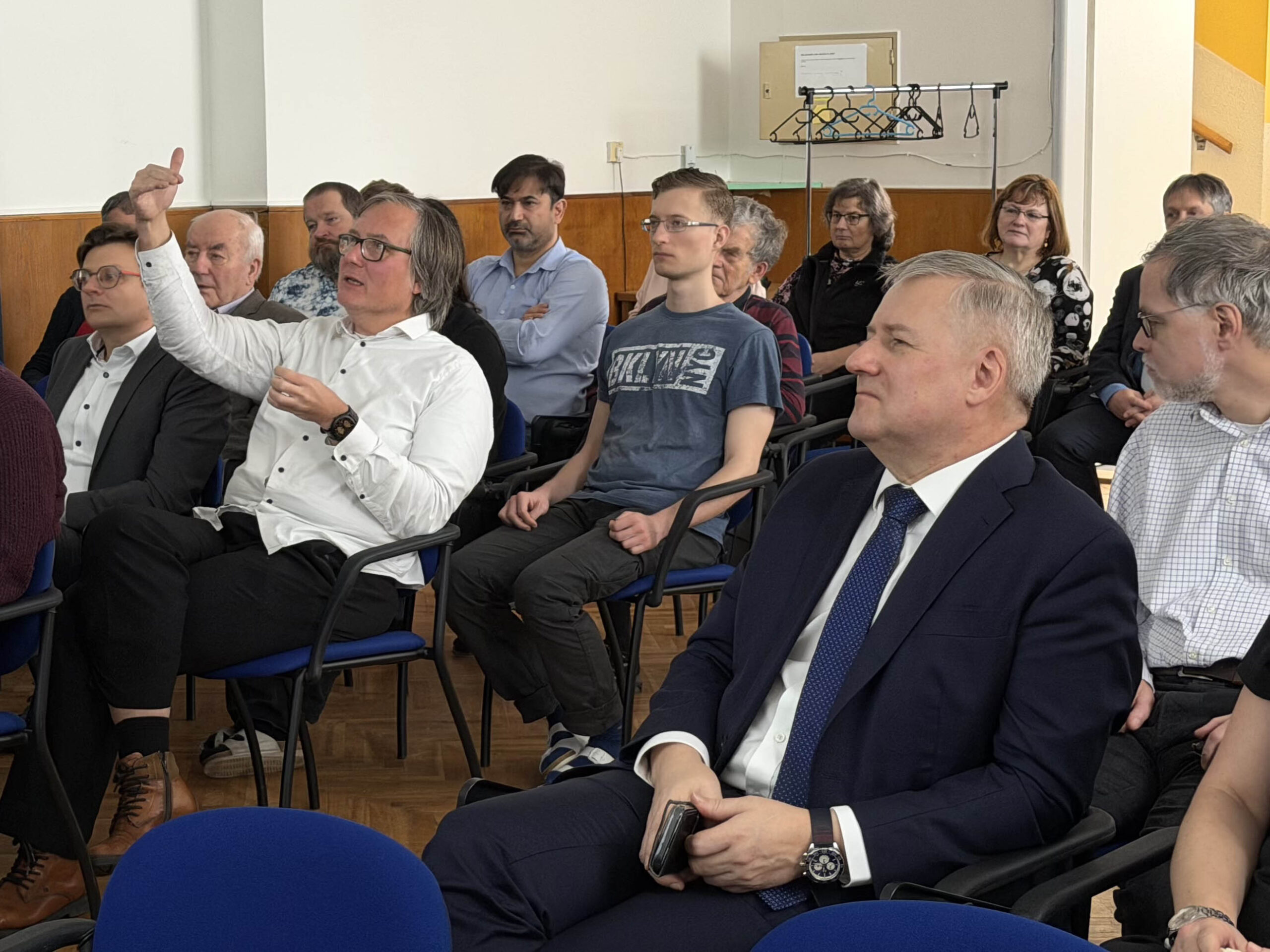
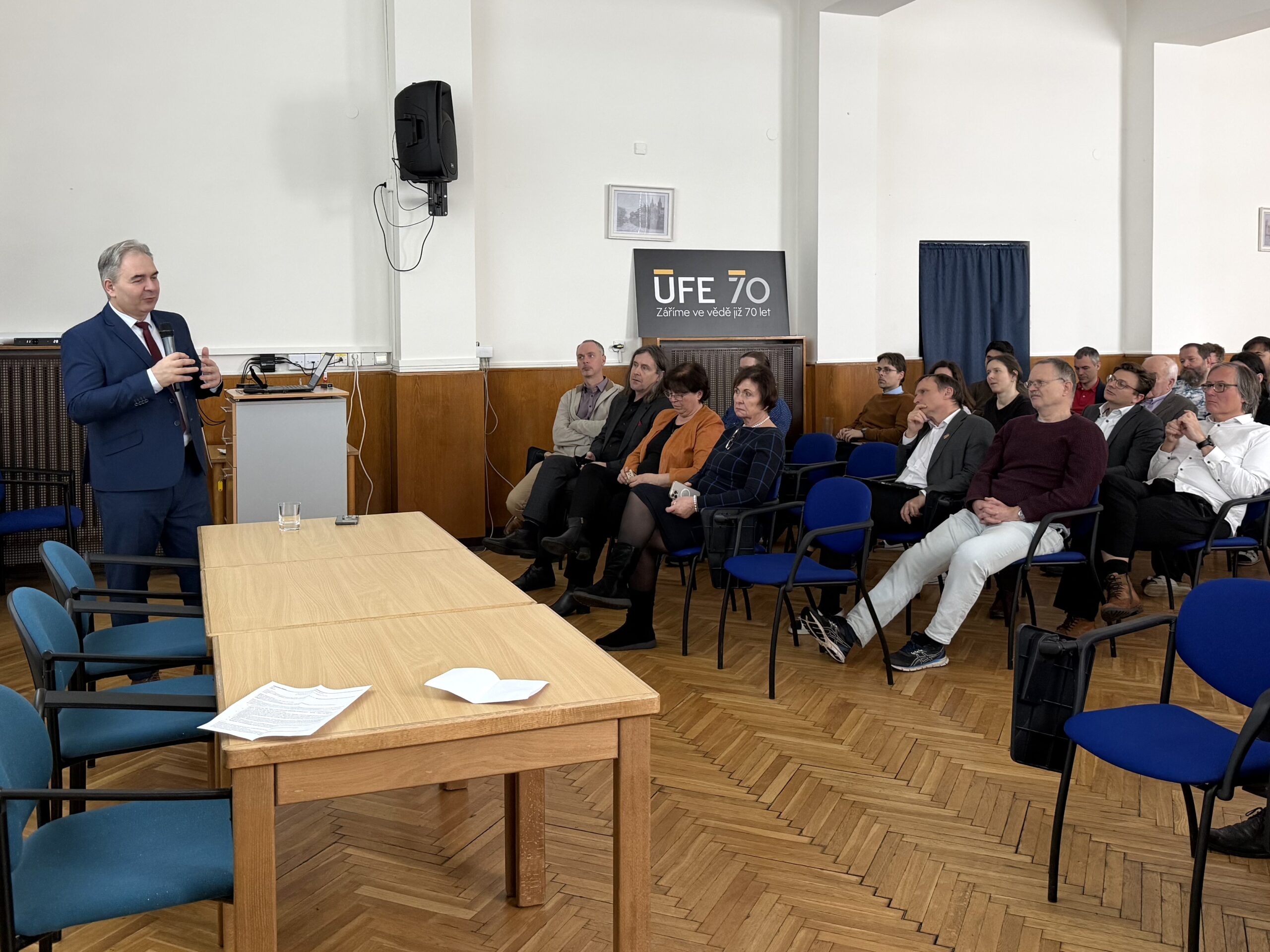
The visit concluded with a meeting with ÚFE employees in the institute hall, which was very well received. Prof. Pánek presented the new “Academy of the Future” program of excellence, which focuses, among other things, on supporting the international mobility of top scientists and prestigious international projects. In his speech, he also addressed the budget of the Czech Academy of Sciences and emphasized the importance of unified communication between the institutions under the umbrella of the Czech Academy of Sciences.
The entire visit took place in an open, businesslike, and constructive atmosphere and confirmed the importance of personal dialogue between the leadership of the Czech Academy of Sciences and researchers from individual institutions.