


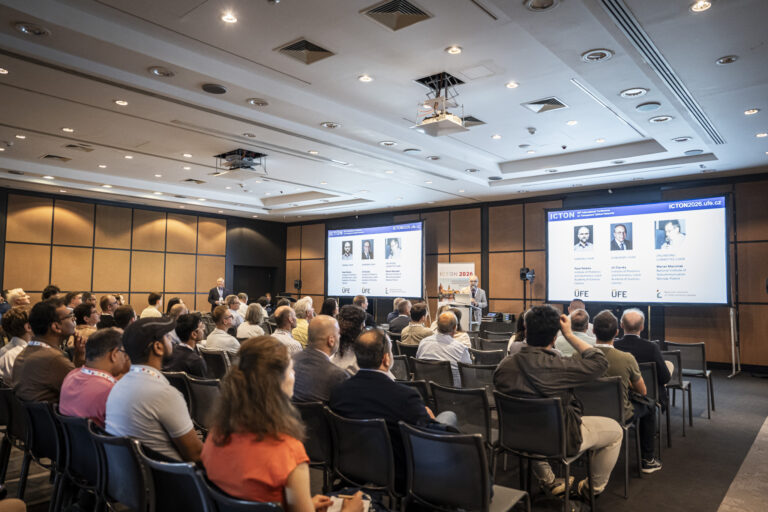
For more than a quarter of a century, ICTON has been one of Europe’s leading professional conferences focused on transparent optical networks, photonics, and laser technology. In addition to the main conference, this year’s event also featured specialized workshops on topics such as quantum communications, photonic integrated circuits, free-space optical communications, fiber lasers, machine learning in optical communications, and technologies for future 6G networks.
Opening Plenary Session
Richard Švejkar opened the plenary sessions with his presentation titled “Pushing the Limits: Recent Achievements and Power Scaling of 2 µm Fiber Lasers,” which also served as an excellent preview of the LasApp workshop. Reinhard Caspary of Leibniz University Hannover is currently perhaps the foremost expert in the field of Jud-Offelt analysis, one of the fundamental tools for rare-earth element spectroscopy. In his lecture, he presented new tools for this analysis, made possible by advances in computing technology. Quantum technologies have applications in many areas of technology, including communications, and the final lecture on this topic, “Progress toward a scalable and integrated Quantum Communication Infrastructure,” was delivered by Giuseppe Vallone from the Università di Padova.
Workshop LasApp
Another key part of the program was a workshop on the LasApp project – Breakthrough Laser Technologies for Smart Manufacturing, Space, and Bio-Tech Applications (www.lasapp.cz) – organized as part of the project of the same name, which is co-funded by the European Union. During the Tuesday and Wednesday sessions, the workshop focused on current developments in laser technologies and their use in industrial applications, space technologies, and biomedicine. The LasApp workshop brought a number of renowned experts from leading European research institutions and universities to Prague. Invited lectures were delivered by leading specialists in fiber lasers, ultrafast laser physics, laser material processing, and photonic technologies for space and biomedical applications. Their presentations highlighted the latest trends in the development of laser systems and their practical applications. The workshop also made a significant contribution to presenting the results of the LasApp project and to establishing new international partnerships.
Social Events
The professional program was complemented by a series of social events that provided opportunities for informal discussions and the establishment of new international collaborations. Participants gathered for a welcome reception at the Diplomat Hotel, admired the panoramic view of Prague from the roof of the National Agricultural Museum, and attended a gala conference dinner at the Art Restaurant of the Mánes Association of Visual Artists. The cultural program culminated with a concert by the Prague Academy Chamber Orchestra (KOA) at the Minorite Monastery of St. James, where the solo violin part was brilliantly performed by the conference’s honorary chair, Prof. Jiří Čtyroký, and Tereza Cachová. You can view the concert program here.
In its early days, ICTON was primarily a platform for presenting the results of joint European research projects. It has gradually evolved into one of Europe’s leading conferences in the fields of optical communications, lasers, and photonics. ICTON’s focus on joint projects is traditionally reflected in its emphasis on informal networking. As a co-organizer, the Institute of Photonics and Electronics of the Czech Academy of Sciences had the opportunity not only to present the results of its research but also to strengthen ties with leading international research institutions. We are pleased that this year’s event received a broad positive response and reaffirmed its reputation as one of the most significant European events in photonics.
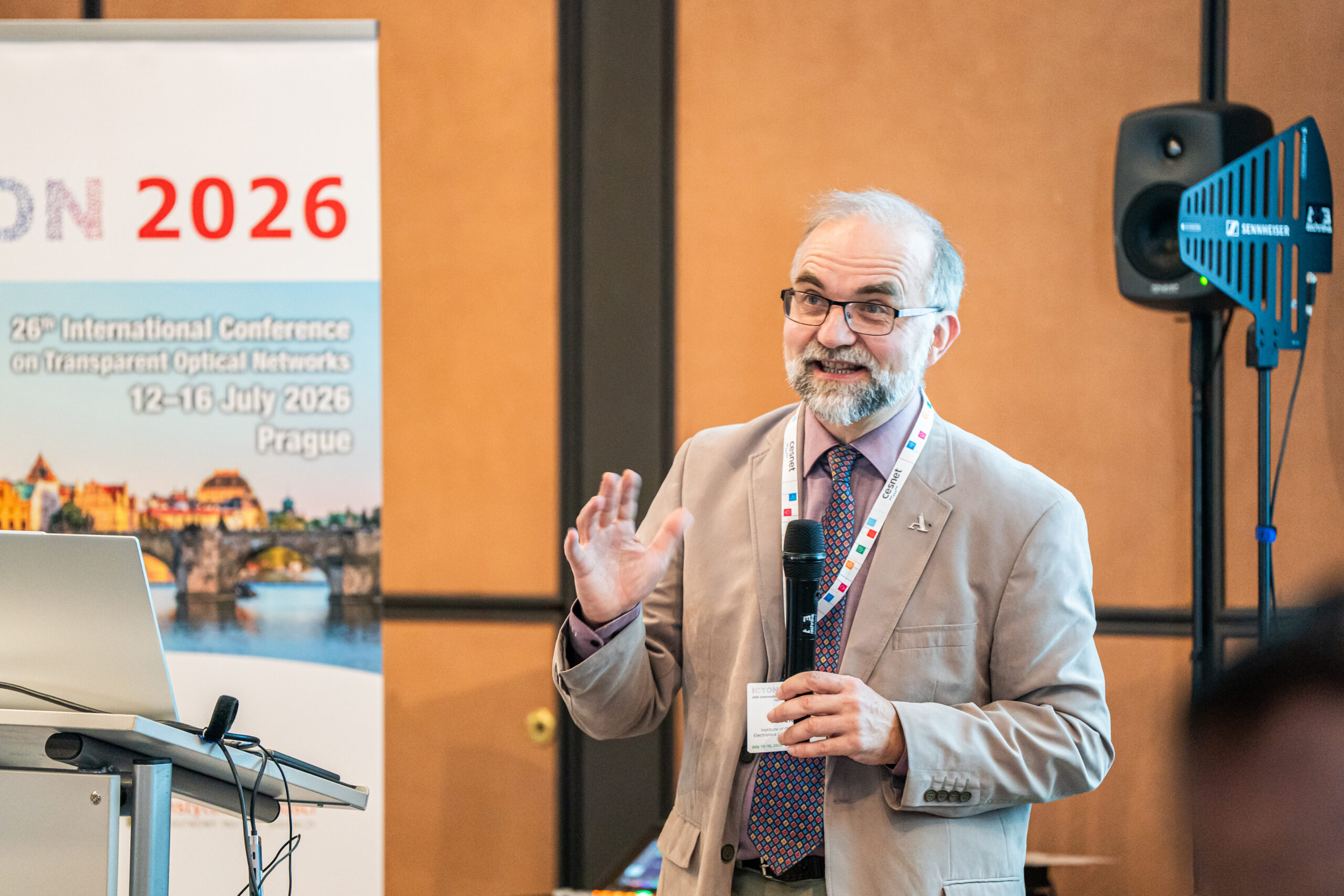
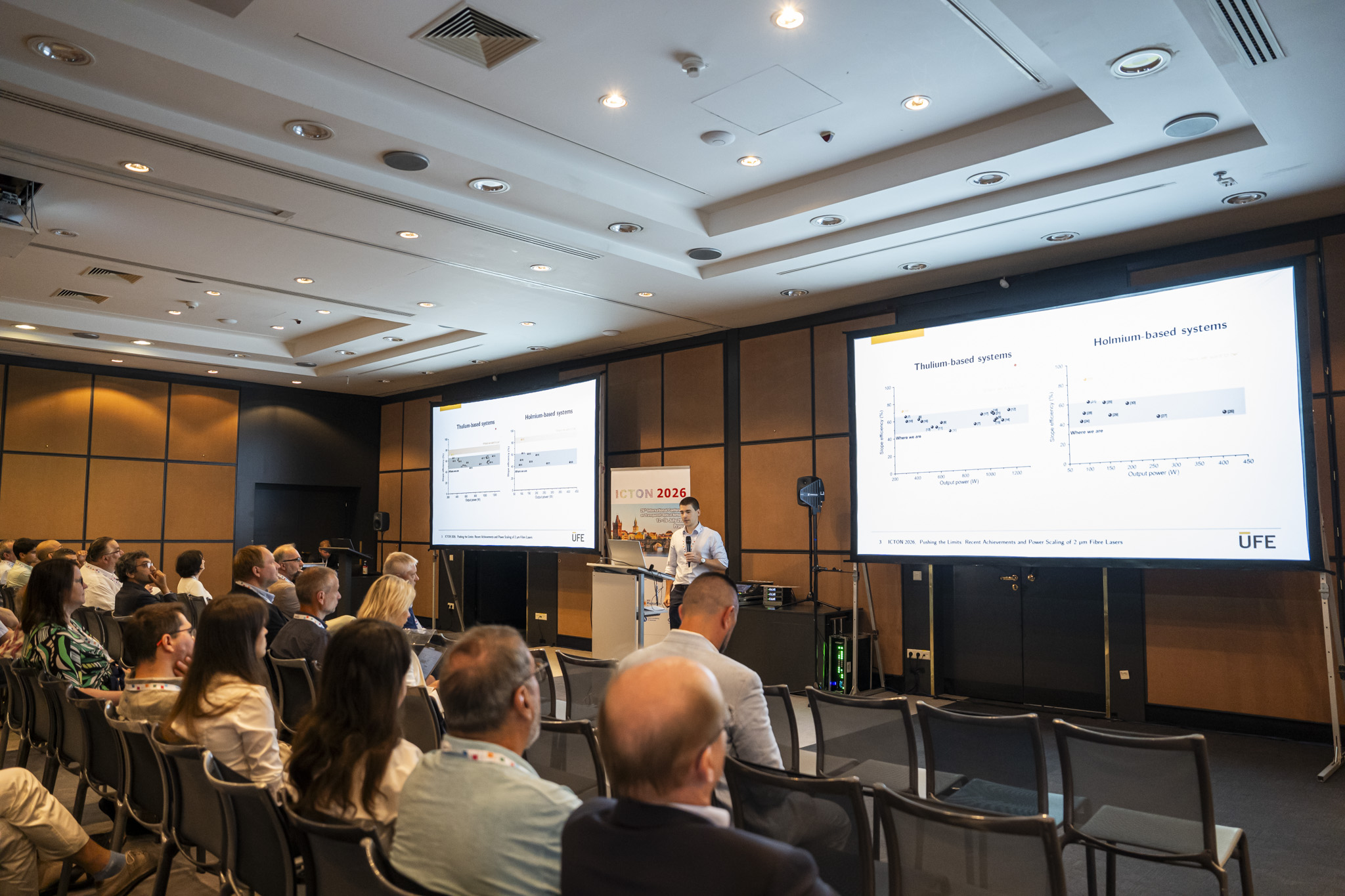
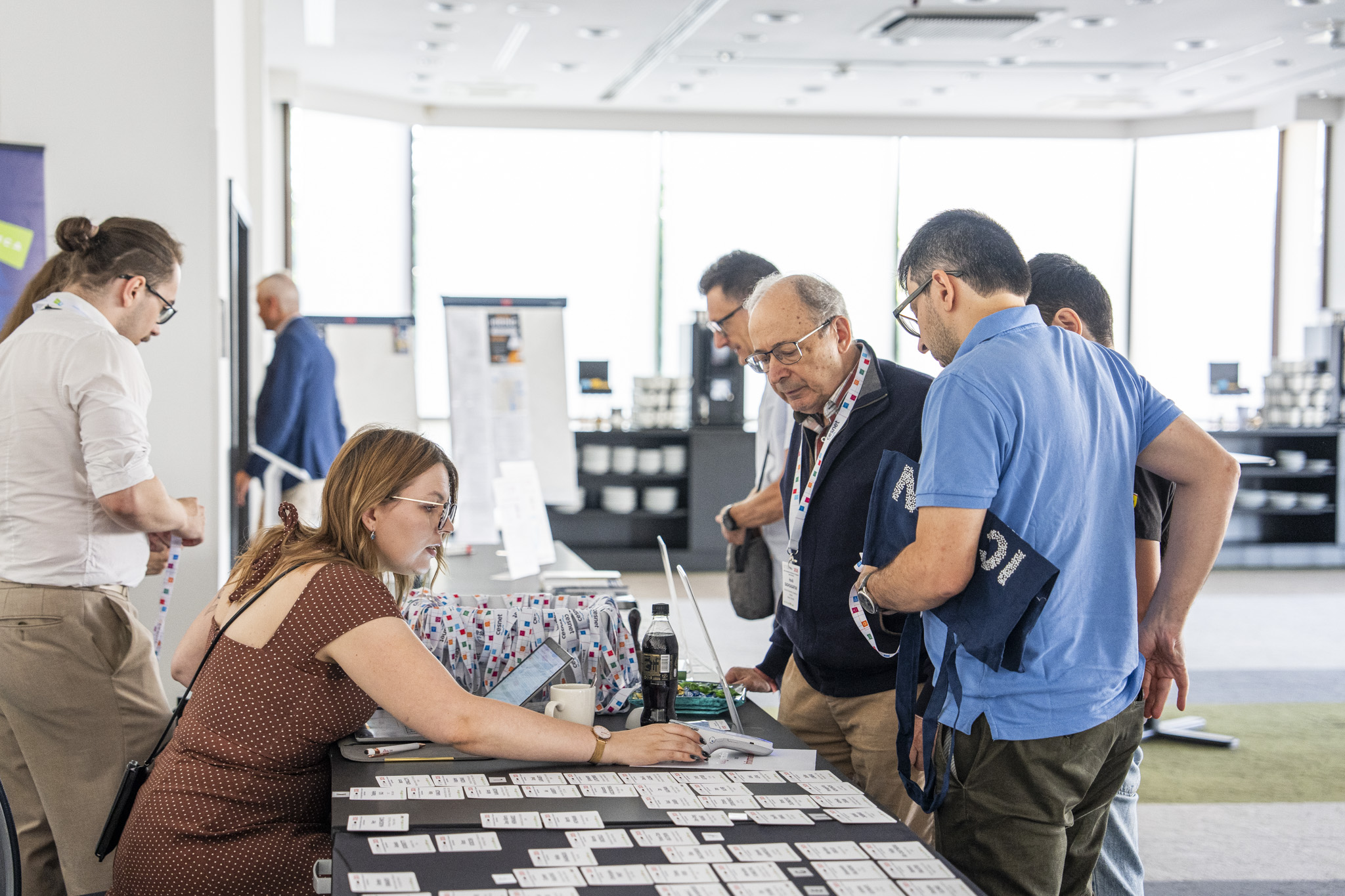
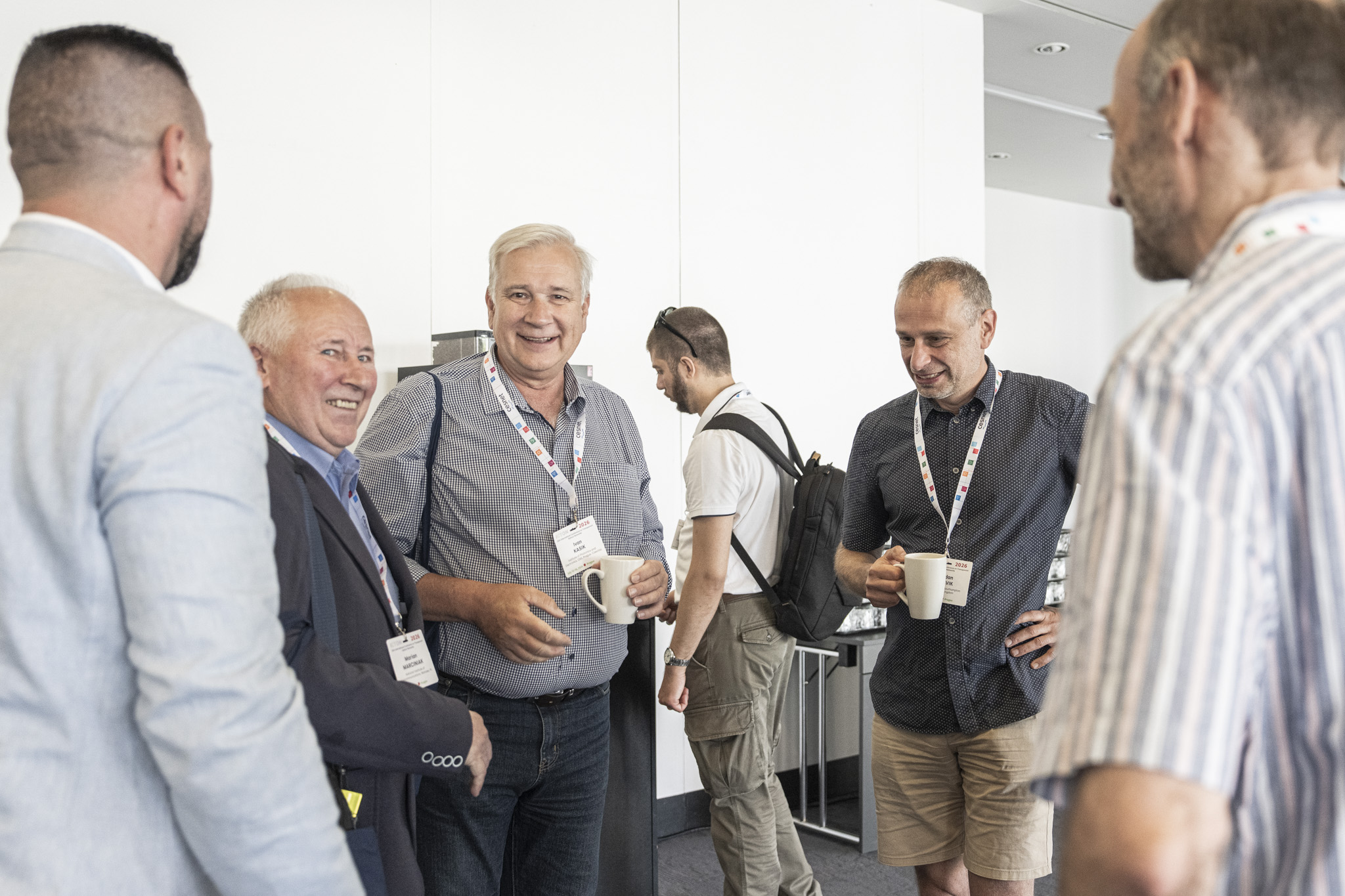
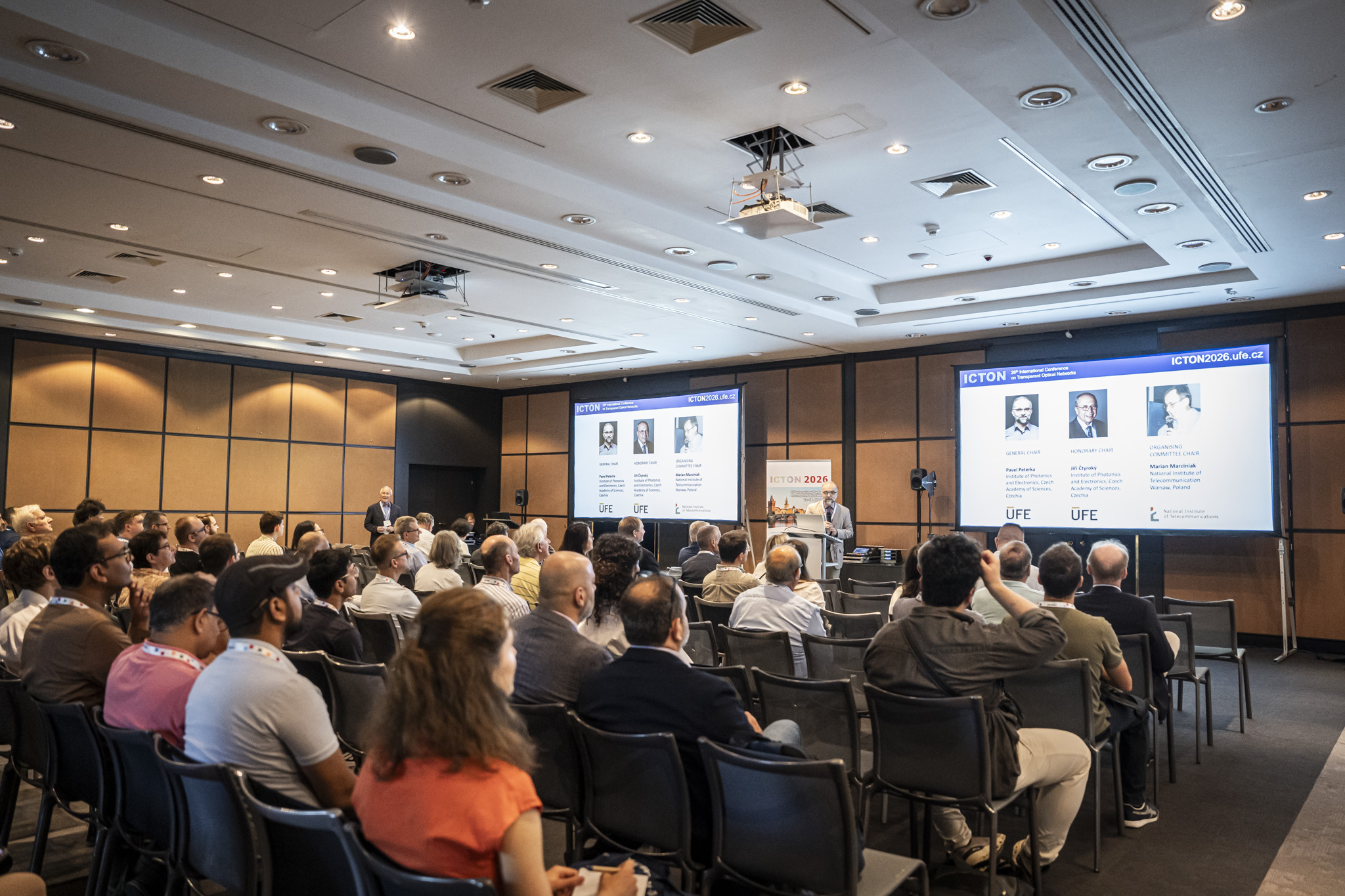
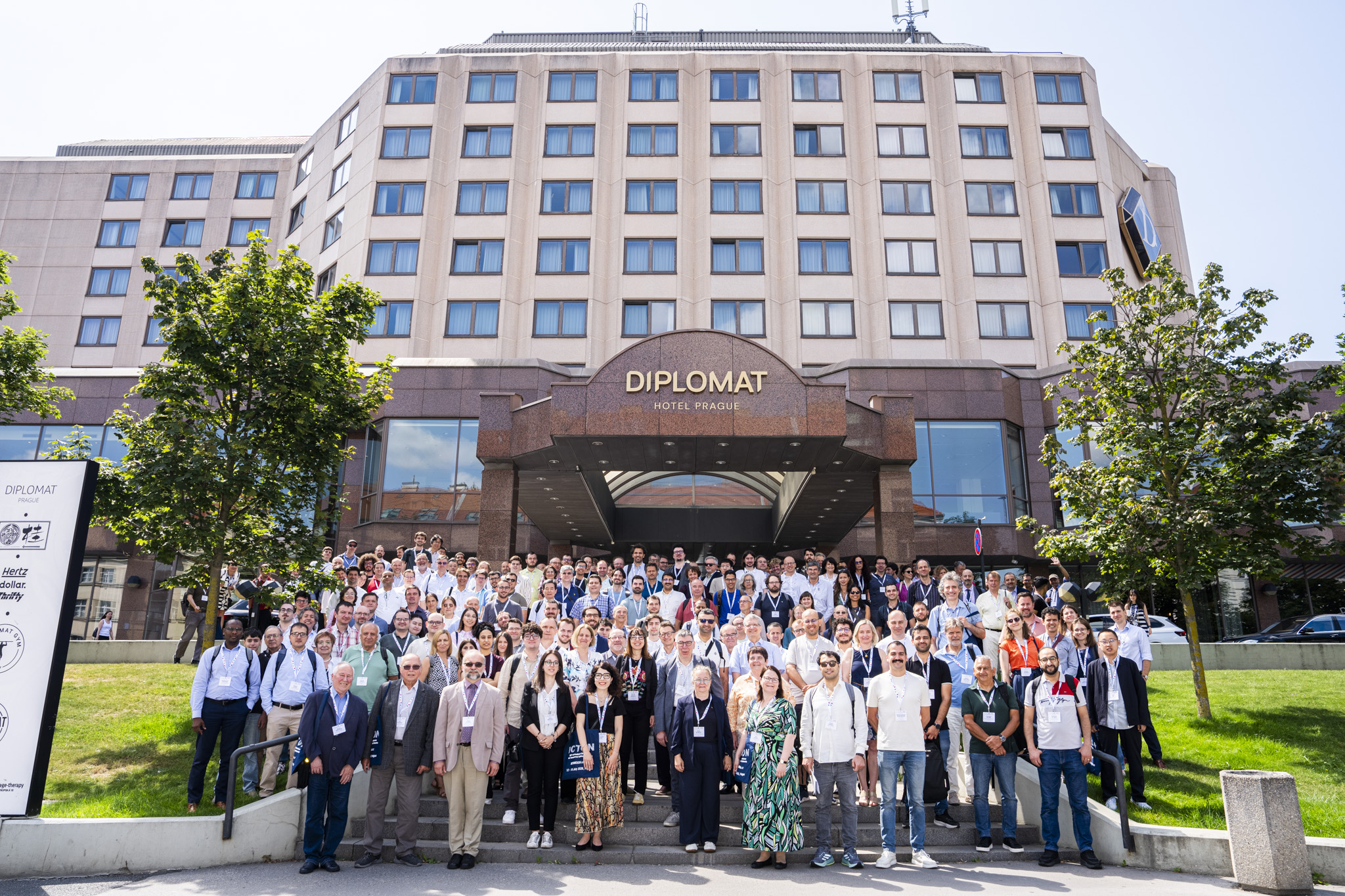

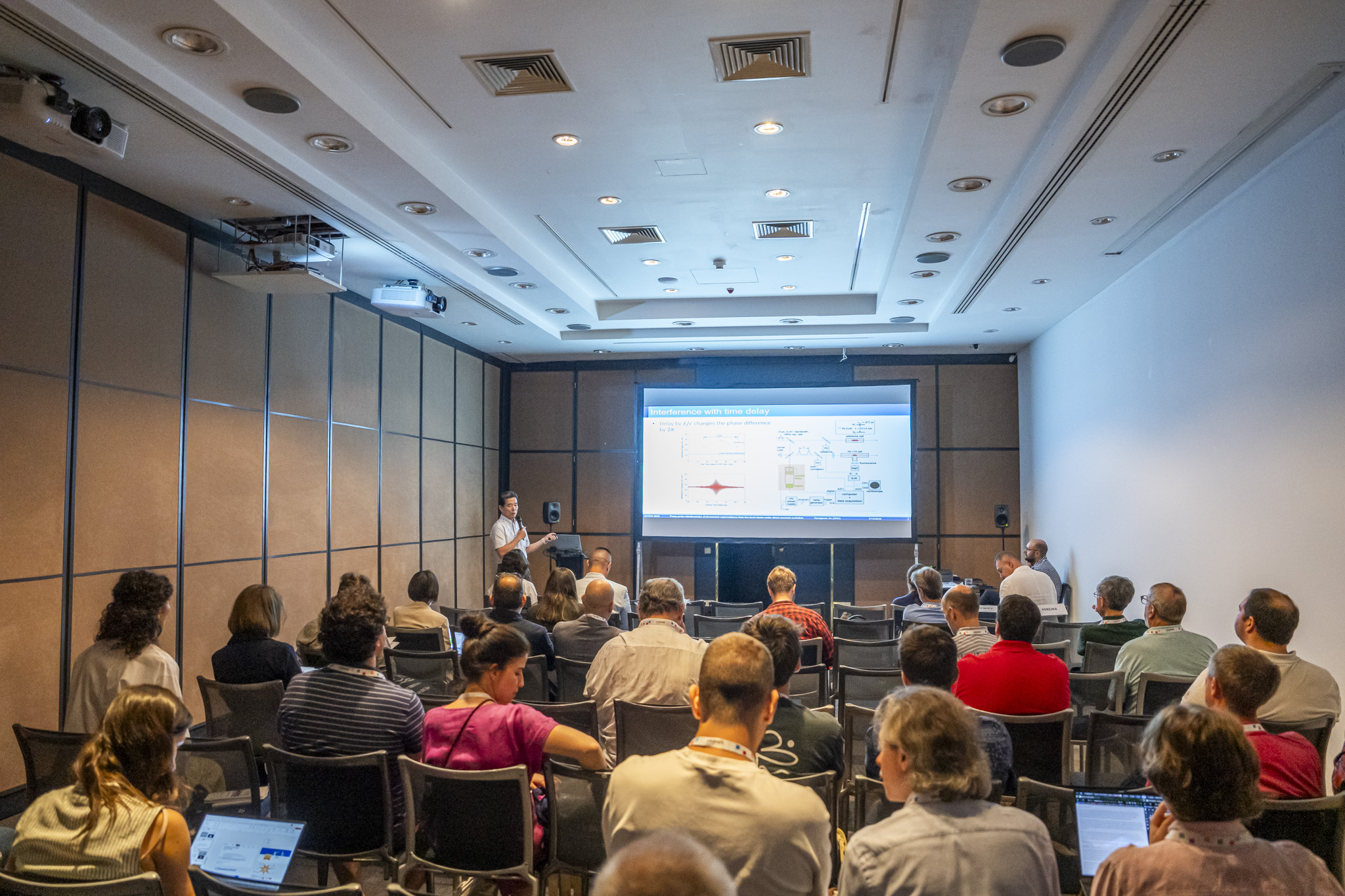
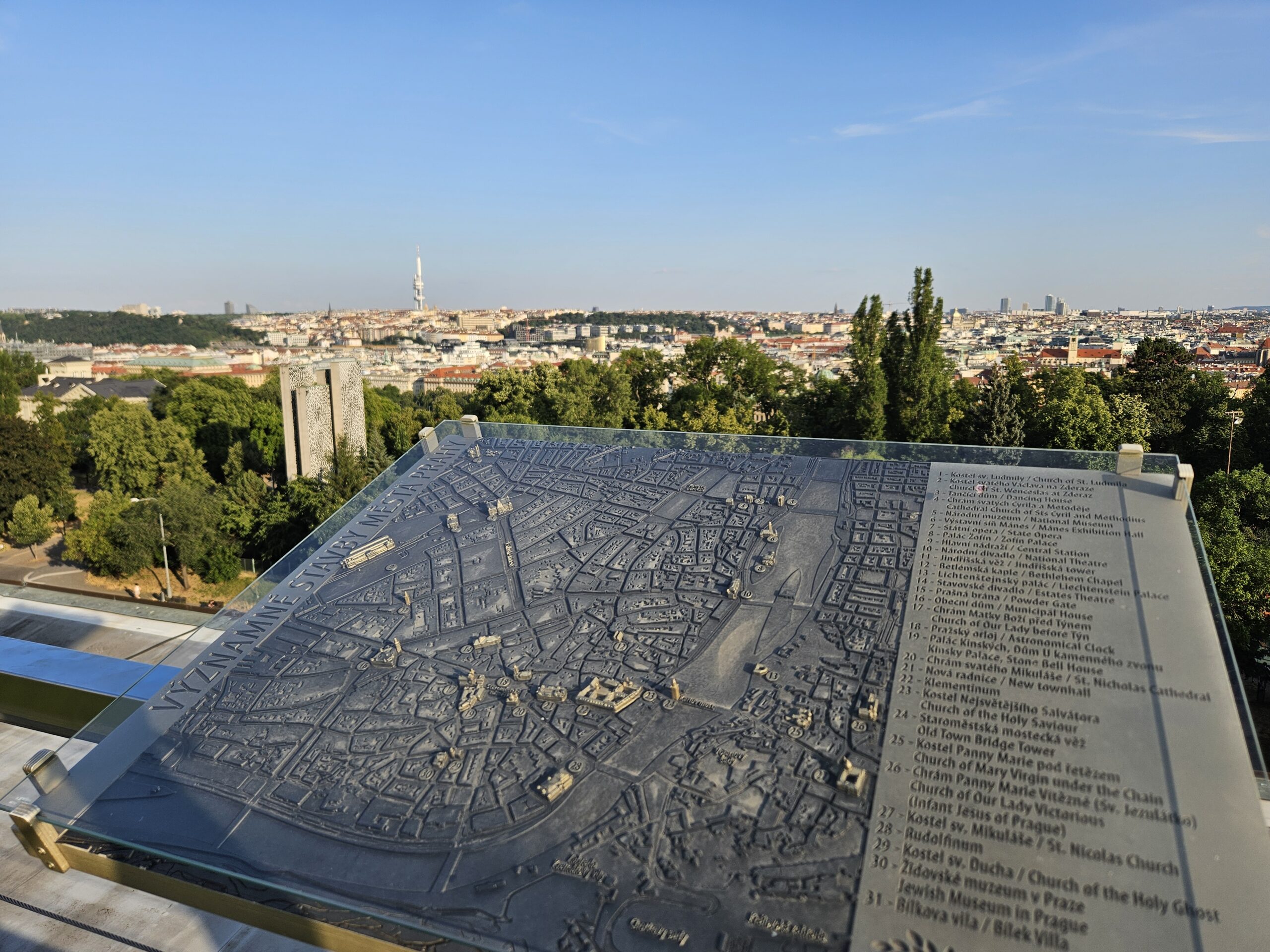
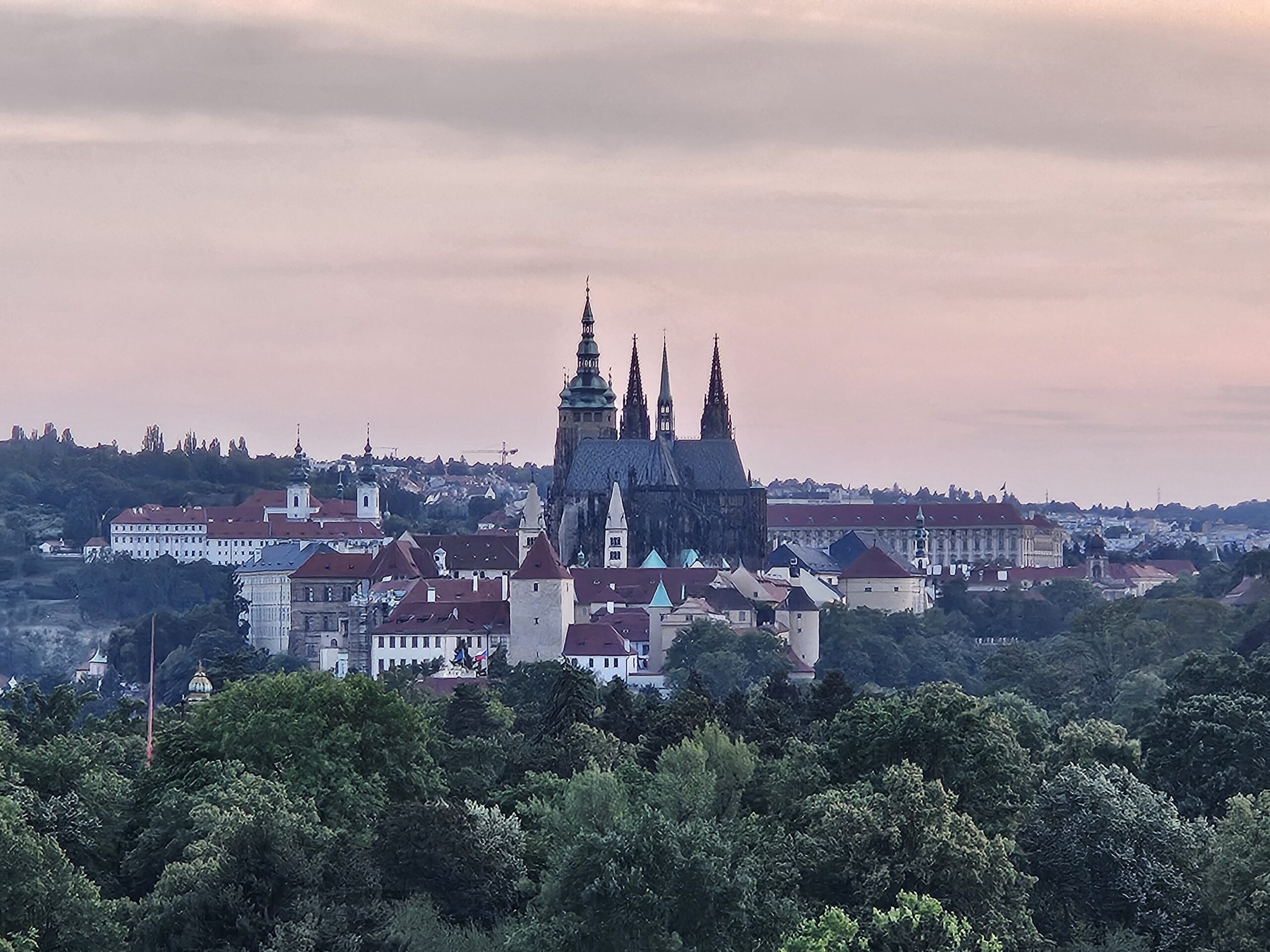
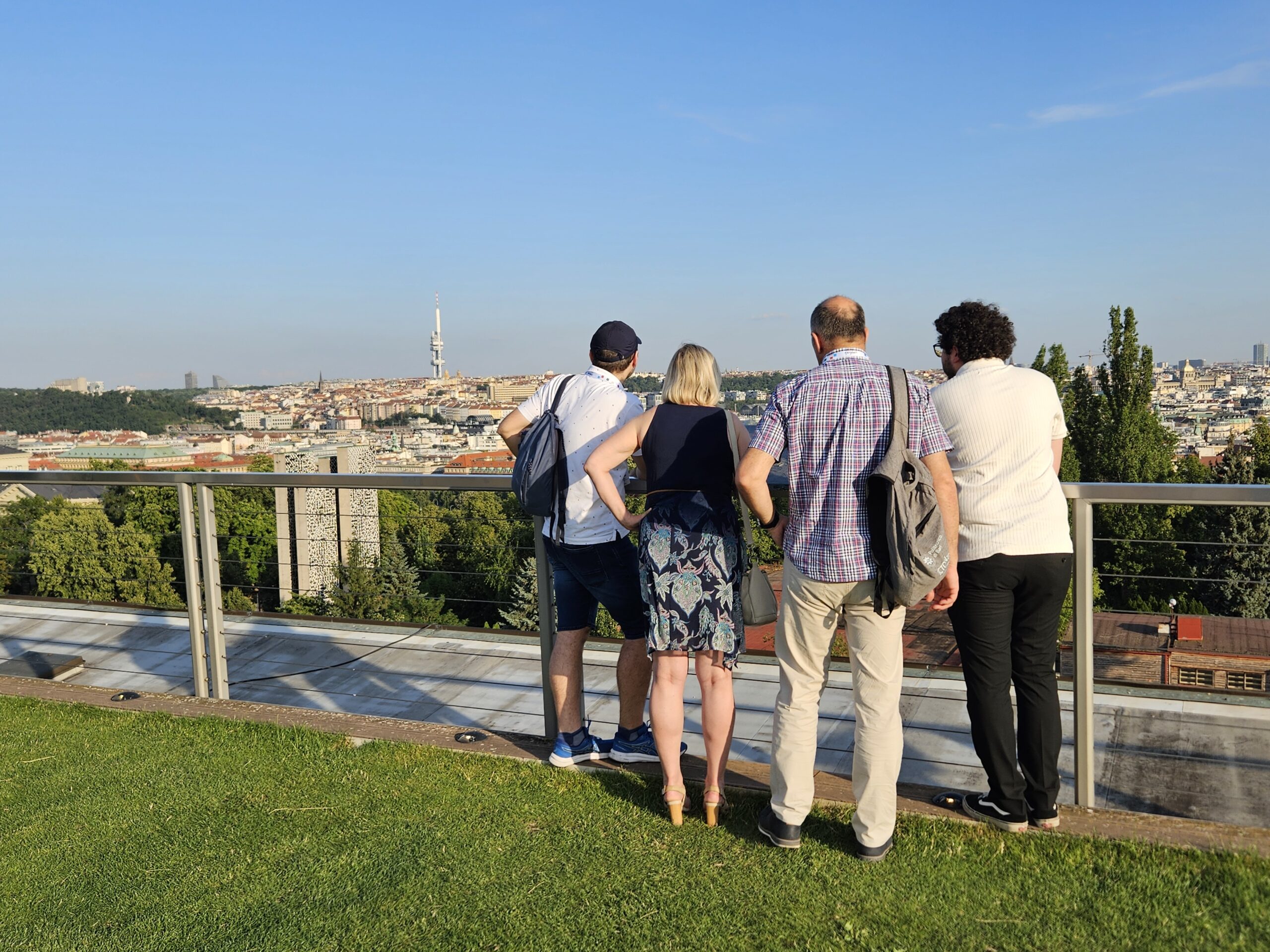
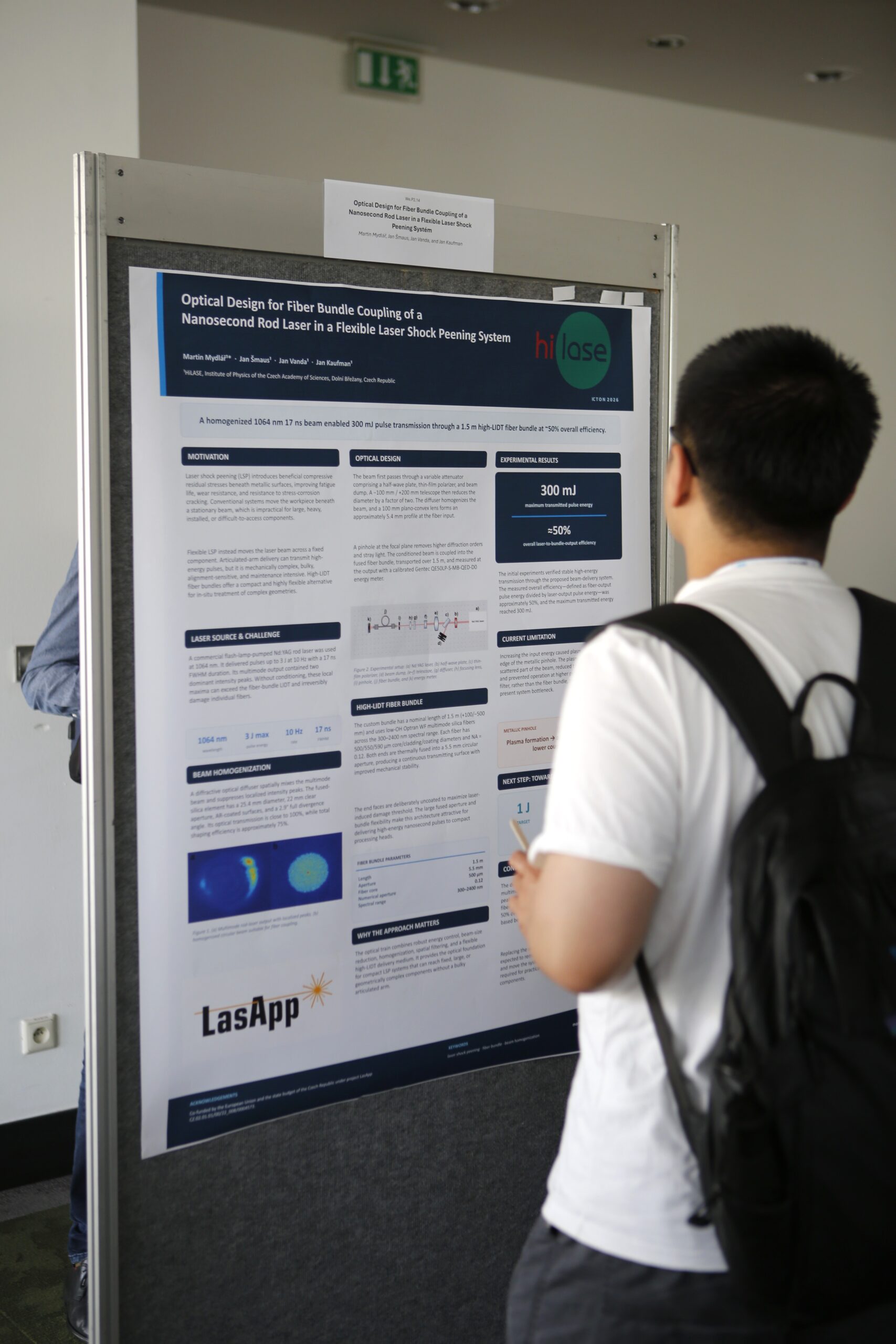
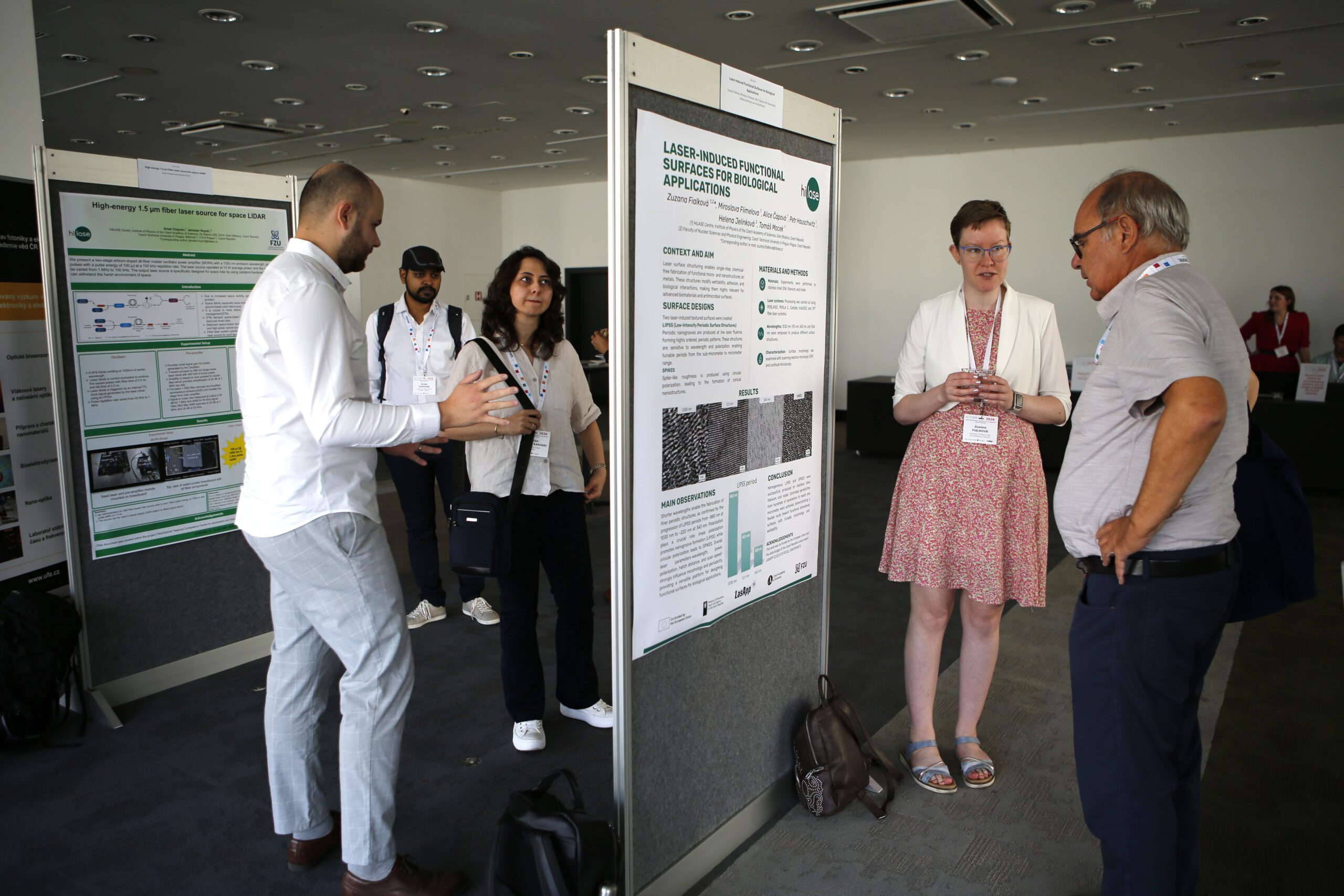
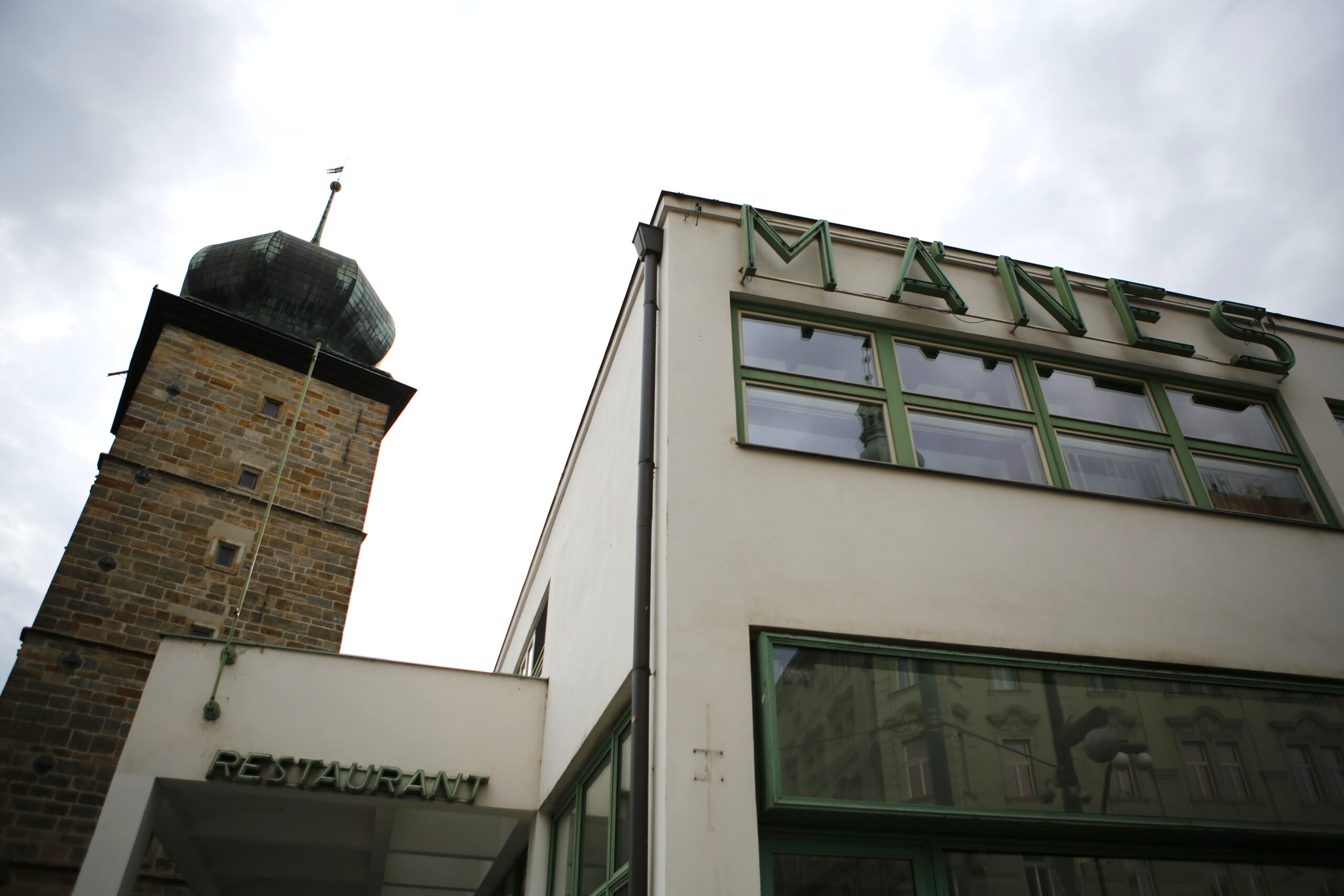
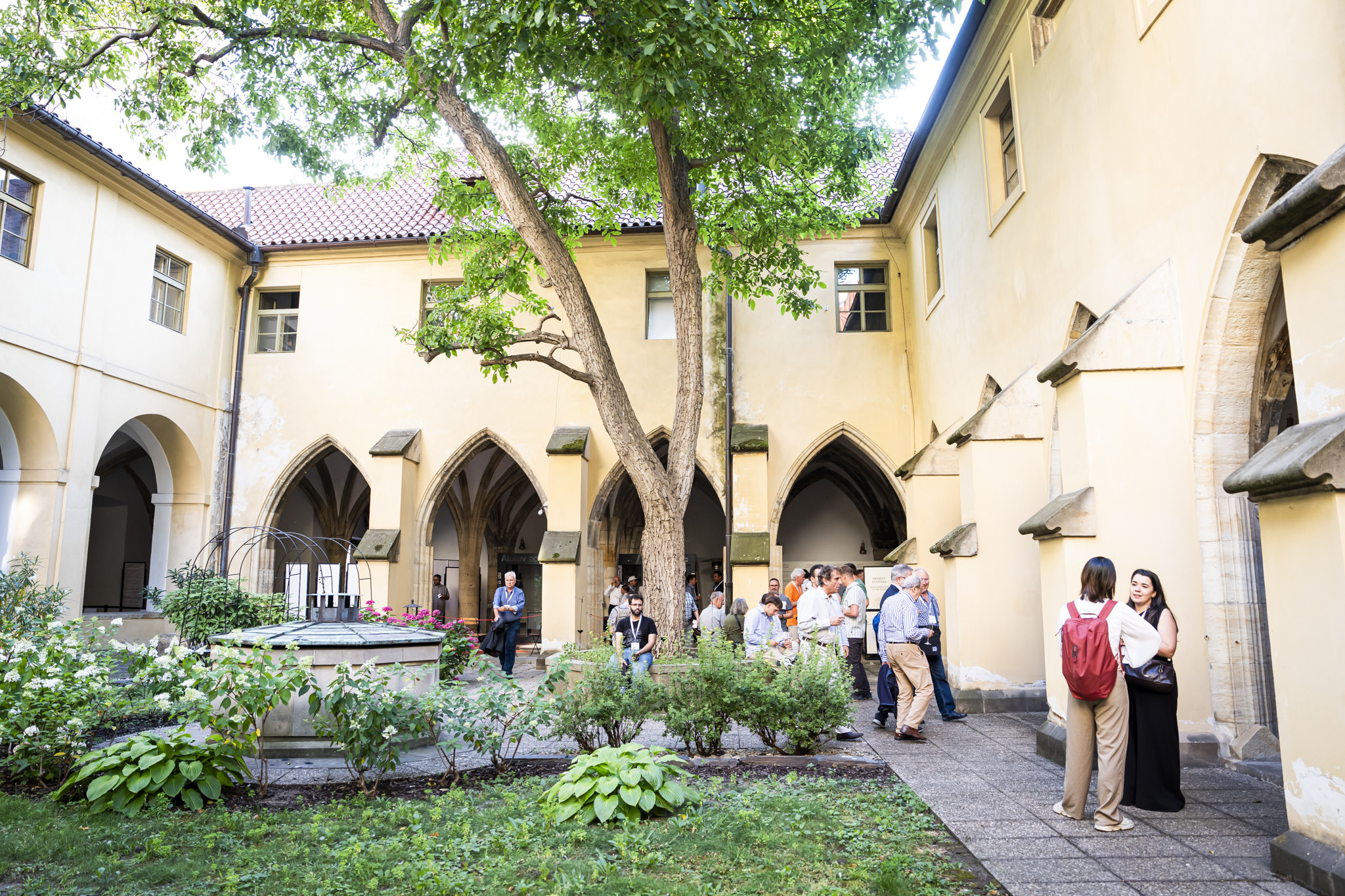


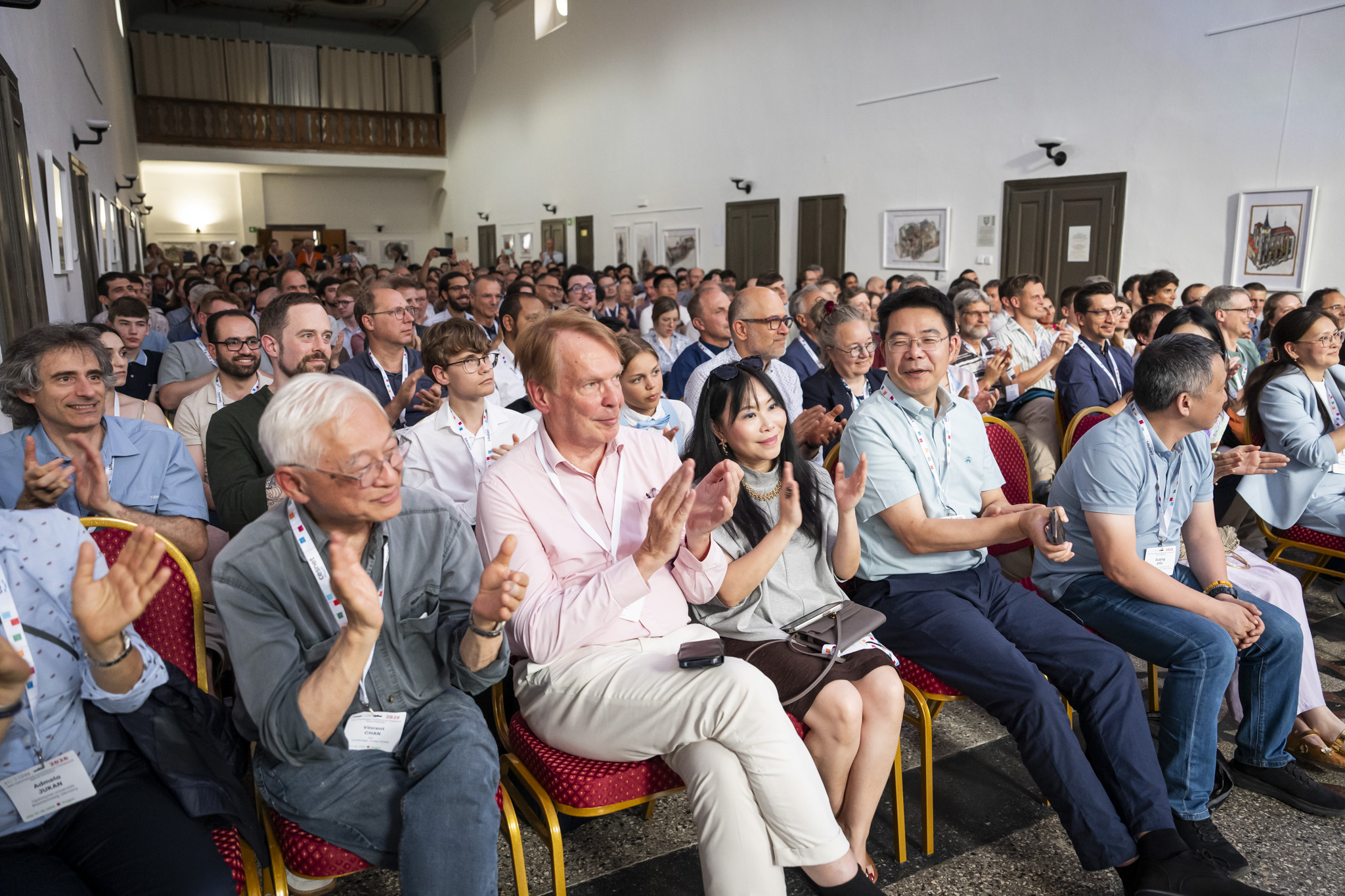
Photo: Zuzana Havlínová, Petra Palečková, Dita Březinová
Video: Zuzana Havlínová